

What is solid hardwood? A complete 2026 guide
Choosing flooring for your home can feel overwhelming, especially when terms like solid hardwood, engineered wood, and laminate get thrown around interchangeably. Understanding what solid hardwood flooring truly is matters because it directly impacts your investment’s longevity, aesthetic appeal, and maintenance requirements. This guide clarifies the fundamentals of solid hardwood flooring, from material properties and durability to species selection and installation considerations, helping you make confident decisions for your residential project.
Table of Contents
- Understanding Solid Hardwood Flooring: Definition And Material Properties
- Durability And Longevity: What Makes Solid Hardwood Stand Out
- Aesthetic Appeal: Colors, Grain Patterns, And Species Variety
- Installation Considerations And Environmental Sensitivity
- Explore Quality Solid Hardwood Flooring Options With Kapriz Hardwood Floors
Key takeaways
| Point | Details |
|---|---|
| Material composition | Solid hardwood is crafted from a single piece of natural wood, typically 3/4 inch thick, offering unmatched authenticity. |
| Exceptional longevity | With proper care, solid hardwood floors can last over a century, far exceeding engineered alternatives. |
| Species matter significantly | The Janka Hardness rating quantifies wood resistance to wear, guiding species selection for different traffic levels. |
| Environmental sensitivity | Solid hardwood expands and contracts with humidity changes, requiring stable indoor conditions and professional installation. |
Understanding solid hardwood flooring: definition and material properties
Solid hardwood flooring stands apart from other wood flooring types because it’s made from a single solid piece of wood, not multiple layers bonded together. This fundamental distinction means you’re getting authentic wood throughout the entire plank, typically measuring about 3/4 inch in thickness. Unlike engineered hardwood, which consists of a thin hardwood veneer over plywood layers, solid hardwood maintains its integrity from surface to subfloor.
The single piece construction delivers superior durability and longevity that engineered options simply cannot match. You can refinish solid hardwood multiple times over its lifetime, sanding away decades of wear to reveal fresh wood beneath. This refinishing capability transforms solid hardwood from a purchase into a multi-generational investment. Each refinishing restores the floor’s original beauty, making it ideal for homeowners who value long-term quality over short-term savings.
Solid hardwood performs best in traditional, stable indoor environments where temperature and humidity remain relatively consistent. The material’s natural properties mean it responds to environmental changes, which we’ll explore in detail later. For now, understand that solid hardwood represents the premium standard in residential flooring, offering authenticity that synthetic materials and composite products cannot replicate.
Key physical characteristics include:
- Natural wood grain patterns unique to each plank
- Standard thickness of 3/4 inch allowing multiple refinishing cycles
- Density variations based on species selection
- Natural color that deepens and develops character over time
- Structural stability when properly acclimated and installed
Pro Tip: Before purchasing, request samples of your preferred species to observe grain patterns and color variations in your home’s lighting. Natural light versus artificial illumination can dramatically alter how wood tones appear, and seeing samples in context prevents costly surprises.
Durability and longevity: what makes solid hardwood stand out
Solid hardwood’s reputation for exceptional durability isn’t marketing hype. These floors genuinely last 100 years or more with appropriate maintenance, outlasting engineered hardwood’s typical 20 to 30 year lifespan by generations. The secret lies in that solid construction we discussed earlier, combined with the inherent strength of quality hardwood species. You’re not just installing a floor; you’re creating a lasting architectural element that adds value to your property.
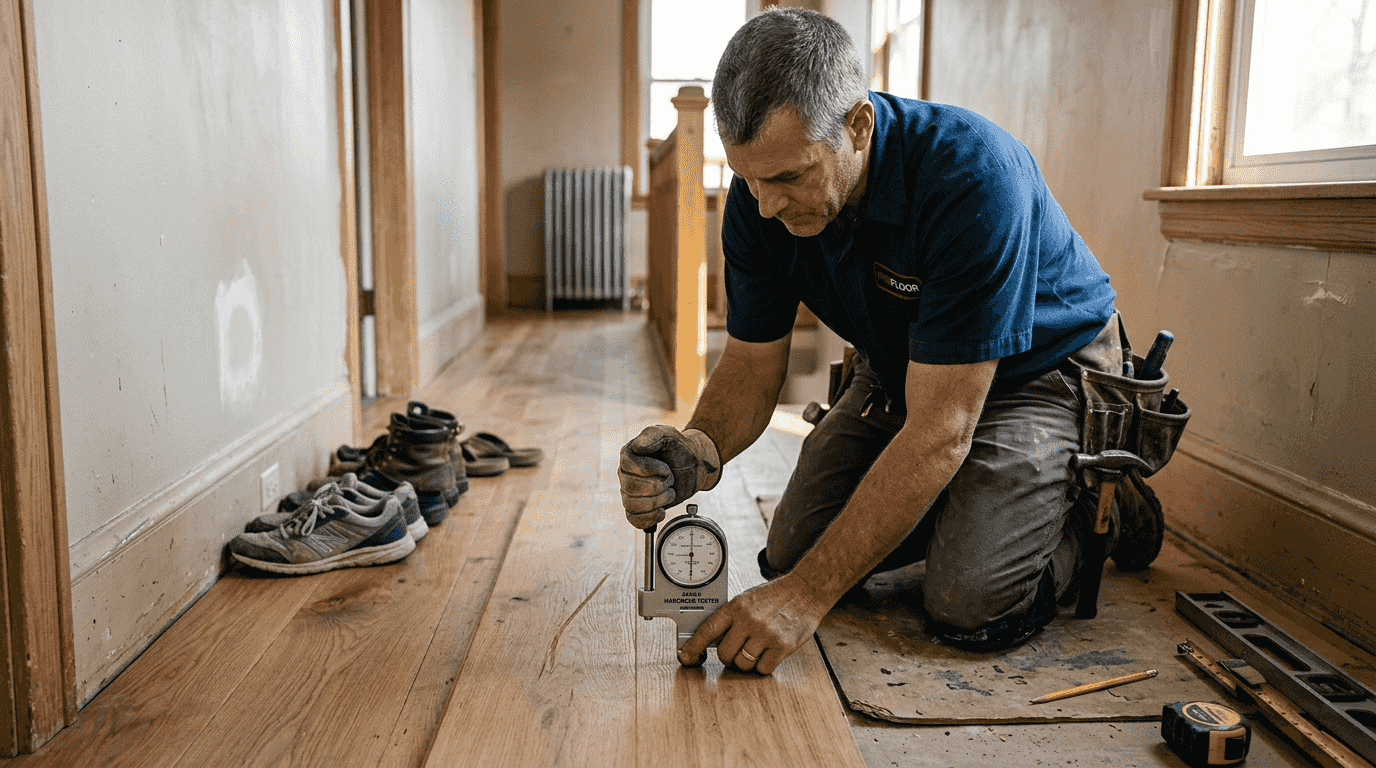
The Janka Hardness test provides an objective measure of wood’s resistance to denting and wear. This test measures the force required to embed a steel ball halfway into a wood sample, producing a numerical rating. Hardwood species vary significantly in hardness, directly impacting their suitability for different areas of your home. Higher Janka ratings indicate greater resistance to everyday wear, making species selection crucial for high-traffic zones like entryways and kitchens.
Here’s how popular species compare:
| Species | Janka Rating | Durability Level | Best Applications |
|---|---|---|---|
| Brazilian Walnut | 3,680 | Extremely hard | High-traffic commercial and residential areas |
| Hickory | 1,820 | Very hard | Active family homes, kitchens |
| Red Oak | 1,290 | Moderately hard | Living rooms, bedrooms, moderate traffic |
| Black Walnut | 1,010 | Medium hardness | Formal spaces, lower traffic areas |
| Alder | 590 | Softer | Bedrooms, offices, decorative applications |
Durability extends beyond hardness ratings. Proper maintenance dramatically influences how well solid hardwood withstands daily life. Regular sweeping removes abrasive dirt particles that act like sandpaper underfoot. Prompt cleanup of spills prevents moisture penetration that can cause staining or warping. Using furniture pads distributes weight and prevents indentations. These simple practices preserve your floor’s appearance and structural integrity for decades.
Consider these maintenance essentials:
- Sweep or vacuum daily in high-traffic areas to remove grit
- Clean spills immediately with a slightly damp cloth
- Maintain indoor humidity between 35% and 55% year-round
- Refinish every 7 to 10 years depending on wear patterns
- Use area rugs in entryways to trap dirt before it reaches the floor
Pro Tip: Match wood species hardness to room function, not just aesthetics. A beautiful soft wood like Alder works wonderfully in a bedroom but will show premature wear in a kitchen. Prioritize durability where it matters most, then focus on color and grain for lower-traffic spaces. Understanding moisture protection strategies also safeguards your investment against environmental damage.
Aesthetic appeal: colors, grain patterns, and species variety
Solid hardwood delivers visual diversity that transforms ordinary rooms into distinctive spaces. Each species brings characteristic colors, grain patterns, and textures that define your interior’s personality. Unlike manufactured flooring with printed patterns, solid hardwood offers authentic variation where no two planks look identical. This natural inconsistency creates visual interest and depth that synthetic alternatives struggle to replicate convincingly.
Species selection determines color range more than any other factor. Lighter woods like White Ash and Alder provide bright, airy foundations that make smaller rooms feel spacious. Medium tones such as Red Oak and Maple offer versatile neutrals that complement diverse design styles. Darker species like Black Walnut and Brazilian Cherry create dramatic, sophisticated atmospheres in formal settings. Understanding these inherent color characteristics helps you envision how different species will influence your space.
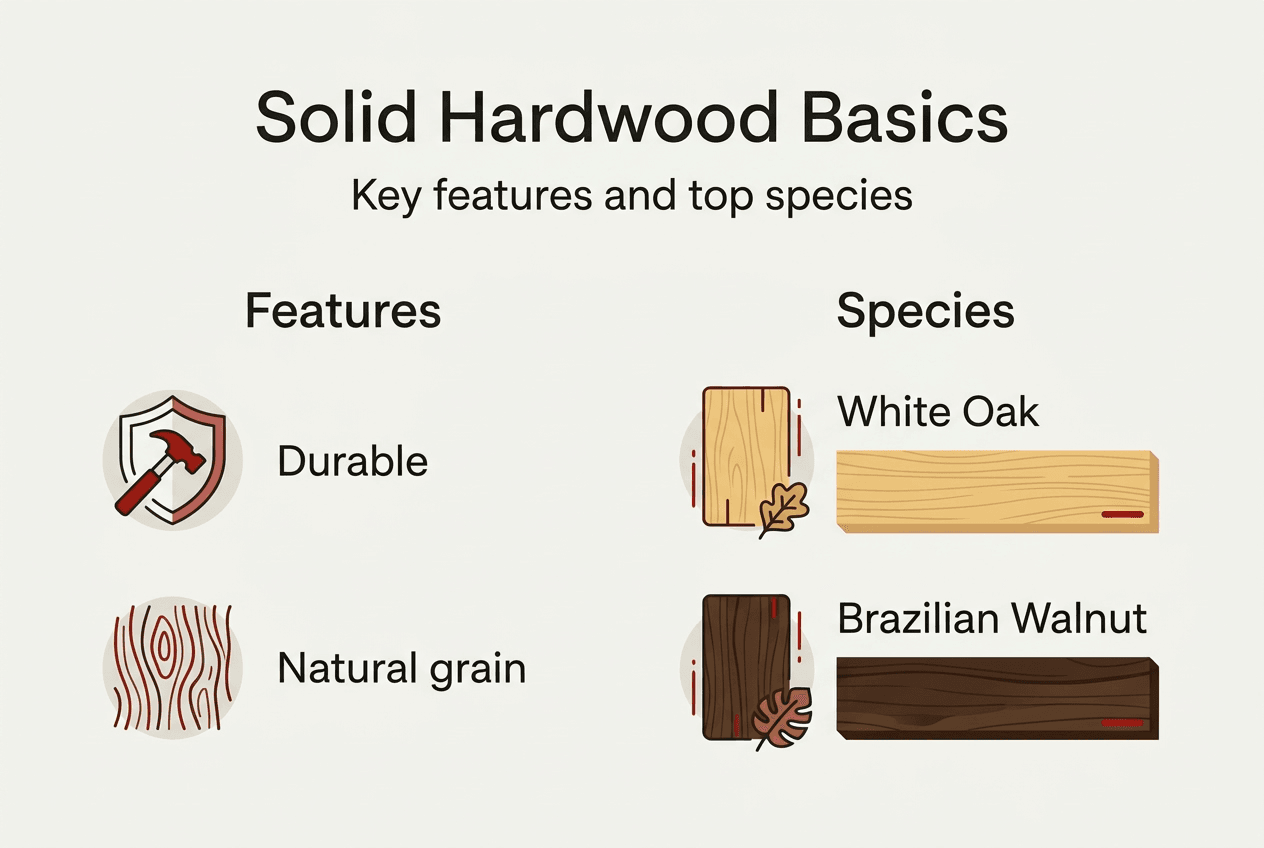
Here’s a detailed species comparison:
| Species | Natural Color | Grain Pattern | Texture | Design Style Compatibility |
|---|---|---|---|---|
| White Ash | Creamy white to light brown | Pronounced, straight | Coarse | Contemporary, Scandinavian, minimalist |
| Red Oak | Pinkish to reddish brown | Prominent, varied | Medium | Traditional, farmhouse, transitional |
| Black Walnut | Rich chocolate brown | Straight with occasional waves | Fine to medium | Modern, mid-century, luxury |
| Brazilian Cherry | Deep reddish brown | Interlocked, varied | Fine | Formal, traditional, exotic |
| Alder | Light tan to reddish brown | Subtle, uniform | Fine | Versatile, accepts stains well |
Grain pattern significantly impacts visual effect beyond color alone. Pronounced grains create movement and energy, drawing the eye across the floor’s surface. Subtle grains provide calm, understated elegance that lets furniture and decor take center stage. Straight grains offer clean, contemporary lines, while varied or interlocked patterns add organic complexity. Texture, from coarse to fine, affects how light interacts with the surface, influencing perceived warmth and dimension.
Color variation within species adds another consideration. Some woods like Bubinga display dramatic color shifts from plank to plank, creating dynamic floors with high visual contrast. Others maintain remarkable consistency, producing uniform appearances. Species like Alder offer exceptional stain receptivity, allowing you to customize color while preserving the wood’s natural grain. This flexibility makes Alder popular for achieving specific design visions without limiting yourself to naturally occurring tones.
Matching solid hardwood to interior styles:
- Contemporary spaces benefit from light woods with subtle grains and clean lines
- Traditional homes shine with medium to dark woods featuring prominent grain patterns
- Transitional designs work well with versatile species that bridge multiple aesthetics
- Rustic or farmhouse styles embrace natural variation and character marks
- Formal settings call for rich, dark woods with fine, consistent grains
Exploring hardwood floor color choices in context helps visualize how different species transform your specific rooms. Request large samples and observe them at various times of day to see how natural and artificial lighting affects appearance.
Installation considerations and environmental sensitivity
Solid hardwood installation demands professional expertise and specialized equipment, making it typically not a DIY project for most homeowners. The process requires precise measurements, proper subfloor preparation, and knowledge of expansion gaps to accommodate wood movement. Professional installers understand species-specific requirements, moisture testing protocols, and fastening techniques that ensure long-term performance. Attempting installation without this expertise often results in gaps, buckling, or premature failure that costs more to repair than professional installation would have cost initially.
Environmental factors profoundly affect solid hardwood performance. Wood is hygroscopic, meaning it absorbs and releases moisture in response to surrounding humidity levels. High humidity causes planks to expand, potentially creating buckling or cupping. Low humidity triggers contraction, opening gaps between boards. These dimensional changes are natural and unavoidable, which is why maintaining stable indoor conditions matters so much for solid hardwood longevity.
Temperature fluctuations compound moisture issues. Heating systems dry indoor air during winter, while summer humidity introduces excess moisture. This seasonal cycling stresses wood fibers, accelerating wear if conditions swing too dramatically. Installing and operating a whole-home humidifier or dehumidifier helps maintain the ideal 35% to 55% humidity range year-round. This investment protects your flooring investment far more effectively than reactive repairs after damage occurs.
Best practices before installation:
- Test subfloor moisture levels and address any sources of excess humidity
- Acclimate flooring in the installation space for 7 to 14 days minimum
- Ensure HVAC systems are operational to maintain stable conditions
- Verify subfloor is level within manufacturer specifications
- Schedule installation during mild weather when humidity is moderate
Best practices after installation:
- Monitor indoor humidity with a hygrometer and adjust as needed
- Avoid wet mopping; use manufacturer-approved cleaning products sparingly
- Place mats at exterior doors to prevent moisture tracking
- Inspect regularly for signs of moisture damage like cupping or crowning
- Address plumbing leaks or roof issues immediately to prevent water exposure
Pro Tip: Schedule installation during spring or fall when outdoor humidity naturally aligns with ideal indoor levels. Avoid summer’s high humidity and winter’s dry heating conditions when possible. This timing reduces acclimation challenges and gives your floor the best start for long-term stability.
Improper installation or moisture exposure creates serious risks. Cupping occurs when plank edges rise higher than centers, typically from moisture beneath the floor. Crowning presents the opposite problem, with centers higher than edges, usually from surface moisture. Buckling happens when extreme expansion forces planks upward, separating them from the subfloor entirely. These issues require extensive repairs or complete replacement, emphasizing why protecting hardwood floors from moisture deserves serious attention from day one.
Explore quality solid hardwood flooring options with Kapriz Hardwood Floors
Now that you understand what makes solid hardwood exceptional, finding the right products and expertise becomes your next priority. Kapriz Hardwood Floors specializes in premium hardwood flooring that delivers the quality and beauty you’ve learned to appreciate. We offer extensive species selections, from classic oaks to exotic imports, ensuring you find the perfect match for your design vision and performance requirements.
Our team provides expert guidance on choosing the right wood species based on your specific needs, traffic patterns, and aesthetic preferences. We believe everyone deserves beautiful, durable hardwood floors regardless of budget, which is why our inventory ranges from affordable options to high-end luxury brands, all meeting our strict quality standards. Transparent pricing and professional installation services mean you get comprehensive support from selection through completion. Explore hardwood flooring costs and installation details to plan your project with confidence.
Frequently asked questions
What is the main difference between solid hardwood and engineered hardwood?
Solid hardwood consists of a single piece of wood throughout the entire plank, while engineered hardwood features a thin hardwood veneer over plywood layers. This construction difference means solid hardwood can be refinished multiple times and typically lasts much longer, though engineered options offer better moisture resistance for challenging environments.
How often does solid hardwood flooring need refinishing?
Most solid hardwood floors require refinishing every 7 to 10 years in residential settings, depending on traffic levels and maintenance quality. High-traffic areas may need attention sooner, while formal spaces with minimal use can go longer between refinishing cycles.
Can I install solid hardwood in my kitchen or bathroom?
While possible, solid hardwood in kitchens requires diligent moisture management and immediate spill cleanup to prevent damage. Bathrooms present too much moisture risk for solid hardwood; engineered hardwood or tile offers better performance in these wet environments.
What Janka Hardness rating should I look for in a family home?
For active families with children and pets, target species with Janka ratings above 1,200, such as Hickory or Hard Maple. These harder woods resist denting from dropped toys, pet claws, and constant foot traffic better than softer species.
Does solid hardwood add value to my home?
Yes, quality solid hardwood flooring consistently ranks among the top home improvements for return on investment. Buyers recognize the durability, timeless appeal, and longevity that solid hardwood provides, often willing to pay premium prices for homes featuring authentic hardwood floors.
How do I maintain consistent humidity for my solid hardwood floors?
Install a whole-home humidifier for winter months when heating systems dry indoor air, and use a dehumidifier during humid summer periods. Monitor humidity levels with a hygrometer and maintain the 35% to 55% range year-round for optimal floor performance.
Recommended
- Engineered vs. Solid Hardwood – Which Flooring Type is Right for You? | Kapriz Hardwood Flooring Store
- How Do I Find My Perfect Hardwood Flooring? A Simple Guide for Homeowners | Kapriz Hardwood Flooring Store
- What is floating wood floor? 2026 guide to quality hardwood | Kapriz Hardwood Flooring Store
- How to refinish hardwood floors: step-by-step guide 2026 | Kapriz Hardwood Flooring Store


