

Certified Wood Floor Types: Quality, Beauty, and Value
TL;DR:
- Certification ensures wood flooring is harvested and processed according to strict environmental standards.
- FSC is the top certification, offering verified sustainability and chain-of-custody tracking.
- Always verify certification numbers and documentation to avoid greenwashing and illegal sourcing.
Choosing hardwood flooring in the Bay Area should be straightforward, but the reality is anything but. Between vague sustainability claims, dozens of species, and labels that sound more impressive than they actually are, most homeowners end up either overpaying or unknowingly buying into greenwashing. Certified wood flooring cuts through all of that. When you understand what certifications actually mean, which types of floors carry them, and how to verify the paperwork behind the label, you stop guessing and start making confident decisions that protect both your home’s value and the forests your floor came from.
Table of Contents
- What makes wood flooring “certified”?
- Key certified wood floor types and their certifications
- Head-to-head: Comparing certified wood options for your home
- How to choose: Making the right call for your Bay Area home
- The overlooked truth about certified wood flooring
- Explore certified hardwood flooring with Bay Area experts
- Frequently asked questions
Key Takeaways
| Point | Details |
|---|---|
| FSC is the strictest standard | Look for FSC 100% certification for the highest sustainability and LEED points. |
| Not all certifications are equal | SFI and PEFC offer good value but may not be as robust as FSC on global criteria. |
| Documentation is essential | Always request chain-of-custody documents to confirm authenticity before you buy. |
| Certified floors add home value | Certified wood flooring can boost property value and help meet green building standards. |
What makes wood flooring “certified”?
Certification is not just a sticker on a box. It is a documented, audited, third-party verification that the wood in your floor was harvested, processed, and distributed according to strict environmental and social standards. For Bay Area homeowners who care about sustainability and want real value, this distinction matters enormously.
Third-party organizations set these standards through detailed requirements covering forest management, chain-of-custody tracking, and accurate product labeling. Forest management rules govern how trees are harvested so that ecosystems, wildlife habitats, and local communities are protected. Chain-of-custody tracking follows every plank from the forest to your living room, making sure no unsourced or illegal wood gets mixed into the supply chain. Labeling rules ensure that what is printed on the package actually reflects the product inside.
What does certification protect you against? Quite a lot:
- Illegal logging, which accounts for a significant share of the global timber trade and funds environmental destruction
- Deforestation, where old-growth forests are cleared faster than they can recover
- Misleading eco-claims, where products carry vague terms like “sustainable” or “responsibly sourced” with no accountability behind them
- Chain-of-custody fraud, where certified wood is mixed with uncertified wood but sold under a green label
The most recognized certifications you will encounter when shopping for sustainable wood flooring types include:
- FSC (Forest Stewardship Council): FSC is the gold standard with strict global environmental, social, and economic standards, chain-of-custody tracking, and labels like FSC 100%, FSC Mix, and FSC Recycled. FSC 100% means every piece of wood in that product came from FSC-certified forests. FSC Mix means only some of it did.
- SFI (Sustainable Forestry Initiative): A North American program with good industry reach but somewhat less rigorous standards.
- PEFC (Programme for the Endorsement of Forest Certification): An umbrella certification that recognizes national programs globally, including SFI.
“Not all certifications are created equal. Knowing the difference between FSC 100% and FSC Mix is the single most important piece of knowledge a Bay Area buyer can carry into a flooring store.”
Pro Tip: When shopping for eco-friendly hardwood flooring options, always ask the retailer to show you the certification number on the product documentation, not just the logo on the packaging. Any legitimate supplier can pull up that number in the FSC or SFI database within minutes.
Key certified wood floor types and their certifications
Understanding the standards is just the start. Here is a clear look at the top certified wood flooring options Bay Area homeowners encounter, along with what makes each one worth considering.
FSC-certified solid hardwood is the most traditional option. These are full-thickness planks milled from certified forests, available in popular species like white oak, red oak, maple, and hickory. FSC 100% labeling here means the entire plank, from log to finished board, traces back to a responsibly managed forest. This is the floor type most often specified for high-end Bay Area renovations and LEED-certified construction projects. FSC is preferred for LEED credits and strict standards, which is why you should avoid products labeled only “FSC Mix” if your goal is 100% certified wood and you want to prevent any risk of greenwashing.
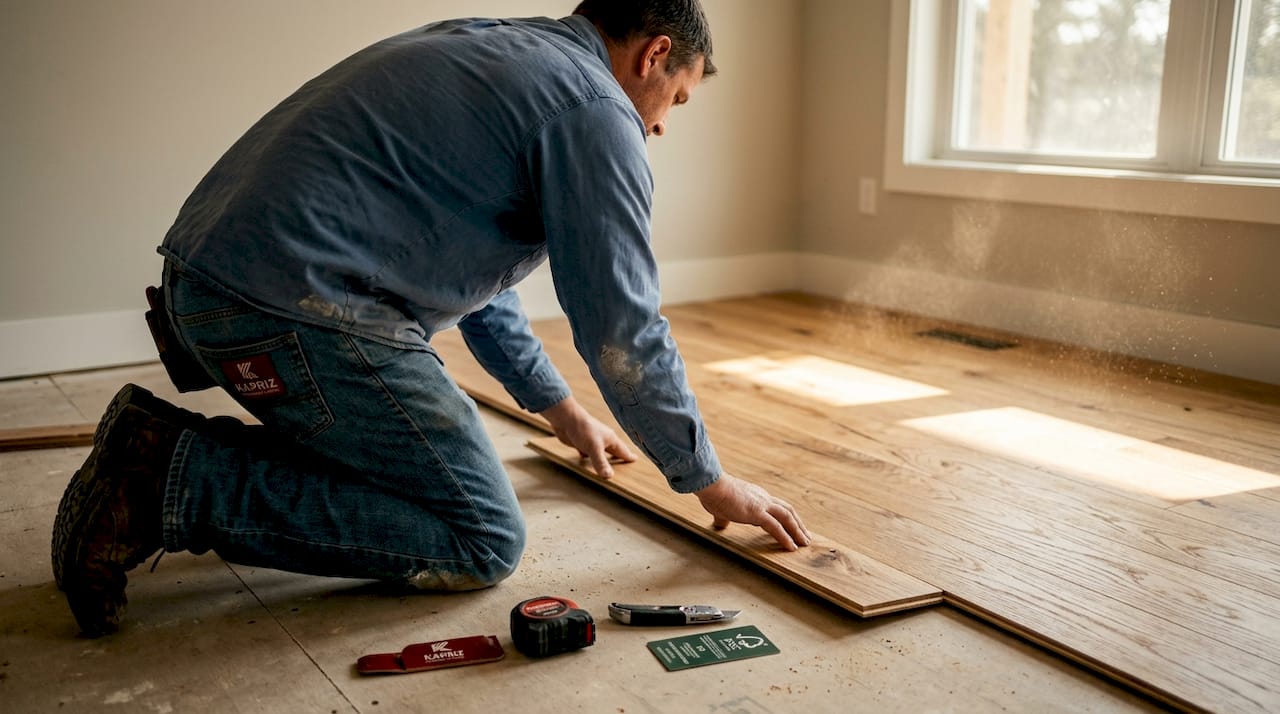
FSC-certified engineered hardwood is a layered product with a real hardwood veneer on top and a plywood or HDF core beneath. The FSC label can apply to the entire product or just the top layer, so read the documentation carefully. Engineered hardwood performs better in the Bay Area’s coastal humidity fluctuations than solid wood in many cases, making it a practical and eco-conscious choice. You can explore eco-friendly hardwood flooring trends to see how engineered FSC options are dominating the market in 2026.
Reclaimed wood flooring uses lumber salvaged from old barns, factories, and demolished structures. It carries no need for new tree harvesting, which makes it the most environmentally protective option available. Reclaimed wood often has FSC Recycled certification or can be documented through chain-of-custody records that trace its origin. The character and patina of reclaimed wood are unmatched, and it tends to be denser and more stable than newly milled wood because it has already spent decades curing.
SFI and PEFC-certified wood covers a wide range of North American species. SFI focuses on North American forests and is industry-linked, which critics note makes it less rigorous than FSC in terms of independent oversight. That said, SFI and PEFC-certified floors are widely available, often more affordable, and still represent a meaningful step above uncertified products. If FSC-certified options are outside your budget, these are a solid middle ground.
You might also consider bamboo and cork flooring as alternatives that carry their own certifications and offer impressive sustainability credentials alongside unique visual appeal.
| Floor Type | Certification | Eco Rating | Cost Range | LEED Eligible |
|---|---|---|---|---|
| FSC solid hardwood | FSC 100% | Excellent | $$$$ | Yes |
| FSC engineered hardwood | FSC 100% or Mix | Very Good | $$$ | Yes (100% label) |
| Reclaimed wood | FSC Recycled / CoC | Outstanding | $$$$ | Yes |
| SFI-certified hardwood | SFI | Good | $$ to $$$ | Limited |
| PEFC-certified hardwood | PEFC | Good | $$ to $$$ | Limited |
Pro Tip: “FSC 100%” and “FSC Mix” are not interchangeable. FSC 100% guarantees every piece of wood is traceable to a certified forest. FSC Mix only guarantees that some percentage is certified. If full accountability is your priority, insist on FSC 100% and ask to see the chain-of-custody certificate that accompanies the product shipment.
Head-to-head: Comparing certified wood options for your home
With the types laid out, a direct comparison helps clarify which option could work best for your lifestyle, budget, and sustainability goals.
| Attribute | FSC Solid | FSC Engineered | Reclaimed | SFI/PEFC |
|---|---|---|---|---|
| Sustainability | High | High | Highest | Moderate |
| Cost | High | Medium-High | High | Lower |
| Durability | Excellent | Very Good | Excellent | Good-Excellent |
| Bay Area Humidity Suitability | Moderate | High | High | Moderate-High |
| LEED Points | Yes | Yes | Yes | Limited |
| Availability | Widely Available | Widely Available | Specialty | Widely Available |
PEFC and SFI offer good value for local and smaller forests, but FSC provides higher confidence globally. The key takeaway: always check the chain-of-custody documentation, regardless of which certification label a product carries.
When should you prioritize each type?
FSC solid hardwood is the right call when you want the most authentic, classic floor with the strongest environmental credentials and plan to stay in your home long enough to sand and refinish it multiple times over the decades. FSC engineered hardwood makes more sense for homes near the coast or in areas with variable indoor humidity, and for buyers who want the warmth of real wood with added dimensional stability. Reclaimed wood is ideal when character, history, and the absolute lowest new-tree impact are top priorities. SFI or PEFC options make sense when budget is tighter and you still want to step above uncertified choices.
Here are the practical steps every Bay Area buyer should follow when shopping for certified floors:
- Ask for the certification number, not just the logo. Every certified product has a traceable number you can verify online through the FSC or SFI database.
- Request chain-of-custody documentation. This paperwork proves that the wood was tracked at every step of its journey, from forest to mill to distributor to store.
- Clarify what percentage is certified. FSC Mix products can contain as little as 70% certified wood. Know what you are buying.
- Ask about LEED eligibility. If your home is a LEED project or you plan to resell to eco-conscious buyers, FSC 100% certification is the safest path to credit eligibility.
- Compare species and grades, because the best wood species for hardwood floors vary in hardness, grain pattern, and how well they hold up to Bay Area foot traffic.
Most Bay Area LEED projects specify FSC-certified wood as a baseline requirement. This is not just an environmental choice. It is a market signal that certified flooring is increasingly tied to property value and buyer expectations in this region. For a broader look at top choices, see the best eco-friendly flooring options available locally.
How to choose: Making the right call for your Bay Area home
After comparing your options, here is a step-by-step approach to making an informed decision you will not regret.
Start by matching your certification priority to your budget and lifestyle. If you are renovating a historic Victorian in San Francisco or a Craftsman in Oakland, FSC solid hardwood honors the character of those homes while standing up to decades of use. If you are finishing a new construction condo near the bay, FSC engineered hardwood gives you the sustainability credentials without the moisture risk. If you simply want a better-than-average certified floor at a reasonable price, SFI-certified options from North American mills are a practical, honest choice.
Spotting greenwashing takes a trained eye, but these warning signs are easy to remember:
- Vague language. Terms like “eco-friendly,” “natural,” or “sustainably inspired” with no certification number attached mean nothing.
- FSC Mix without clarity. Sellers who emphasize FSC branding without clarifying whether the product is FSC 100% or FSC Mix are glossing over an important detail.
- No documentation available. A legitimate certified product always comes with paperwork. If a retailer cannot produce chain-of-custody documents on request, that is a red flag.
Always request the actual certification number and verify it at the FSC or SFI website. FSC preferred status for LEED credits and strict standards make FSC 100% the safest and most verifiable path to genuinely green flooring. If you want to go beyond the standard and explore something visually distinctive, fumed wood flooring is an option worth exploring. Fumed oak, for instance, is often available with FSC certification and delivers a rich, smoky tone that no stain can replicate.
Pro Tip: In the Bay Area’s competitive real estate market, certified flooring is increasingly a selling point. Homes with documented FSC-certified floors or LEED credits tend to attract buyers who are willing to pay a premium for verified sustainability. Keep all your certification documentation in a folder with your home improvement records. That paper trail has real monetary value at resale.
The bigger picture when choosing sustainable hardwood flooring choices is that you are not just buying a floor. You are making a statement about what you value, and you are protecting yourself against the financial and reputational cost of buying something that does not hold up to scrutiny.
The overlooked truth about certified wood flooring
Here is what most flooring guides will not tell you: having a certification label on a product does not automatically mean you bought a responsible floor. The certification landscape has enough variation, loopholes, and marketing noise that even well-intentioned buyers can end up with something that falls short of their expectations.
The FSC Mix label, for example, is perfectly legal and legitimate. But it allows products to contain a percentage of “controlled wood,” which is a sourcing category that excludes the most controversial sources but is far less strict than fully certified forest management. A buyer who picks up an FSC Mix floor thinking they bought 100% traceable certified wood has made an expensive assumption.
Chain-of-custody documentation is where the real accountability lives. When every step of the supply chain is documented and auditable, you can trust the product in your home. When it is not, even a prominent certification logo means less than it should. This is why we always say to our customers: trust the paperwork more than the packaging.
Short-term savings from cutting corners on certification can become long-term costs. Floors from dubious sources may not perform as advertised, may raise questions during home inspections, and may exclude you from green building incentives that are increasingly common in Bay Area municipalities. You can learn more about spotting quality flooring before you buy so that certification is just one part of a thorough evaluation process.
The bottom line is this: demand documentation. Look past the marketing. And work with retailers who can back up every claim with real paperwork.
Explore certified hardwood flooring with Bay Area experts
Knowing what to look for is one thing. Finding a retailer who actually stocks certified options and can walk you through the documentation is another challenge entirely.
At Kapriz Hardwood Floors, we carry a curated selection of certified hardwood options across every price point, from FSC-certified solid oak to reclaimed wood with full chain-of-custody documentation. Our team knows the difference between FSC 100% and FSC Mix, and we will never steer you toward a product we would not put in our own homes. Browse our full hardwood floors selection to see what is currently in stock, or stop by for a consultation where we help you match the right species, certification, and finish to your home and budget. We also have a practical guide on choosing durable hardwood flooring for Bay Area conditions so you can shop with total confidence from the very first step.
Frequently asked questions
What is the difference between FSC and SFI certified wood flooring?
FSC is the gold standard with strict global environmental, social, and economic standards, while SFI focuses on North American forests and is considered less rigorous by independent critics. FSC certification is also the preferred choice for LEED credits.
Does certified wood flooring increase home value in the Bay Area?
Yes, FSC preferred status for LEED credits and strict standards make certified flooring a verifiable value-add, especially as Bay Area buyers increasingly factor green building credentials into purchasing decisions.
How can I verify that wood flooring is genuinely certified?
Request chain-of-custody documents from your retailer and cross-reference the certification number in the official FSC or SFI database. As experts note, check chain-of-custody docs since FSC provides the highest global confidence.
What’s the environmental impact of choosing certified wood floors?
Certified flooring directly supports responsible forest management by reducing illegal logging and protecting biodiversity. FSC’s gold standard global standards mean your floor purchase actively contributes to healthier, more resilient forest ecosystems worldwide.


