

Choose the perfect hardwood floor color for your home
Selecting hardwood floor colors involves balancing room size, lighting conditions, cabinetry coordination, and maintenance requirements. Many Bay Area homeowners struggle to find colors that enhance aesthetics while addressing practical concerns like space perception and upkeep. This guide walks you through selection criteria, popular color options, detailed comparisons, and situational recommendations to help you make confident flooring decisions for your home.
Table of Contents
- How To Choose The Right Hardwood Floor Color: Selection Criteria
- Popular Hardwood Floor Color Options And Their Strengths
- Light Vs. Dark Hardwood Floor Colors: Pros, Cons, And Use Cases
- Coordinating Hardwood Floor Colors With Cabinets And Decor
- Environmental And Maintenance Considerations For Hardwood Floor Color Choices
- Summary Comparison Of Hardwood Floor Color Options
- Situational Picks: Best Hardwood Floor Colors For Specific Bay Area Home Needs
- Explore Premium Hardwood Floor Colors At Kapriz Hardwood Flooring Store
Key takeaways
| Point | Details |
|---|---|
| Room size and lighting shape color effectiveness | Natural and light tones enlarge spaces; dark tones add warmth and luxury in bright, large rooms. |
| Maintenance needs vary by color choice | Light floors hide scratches better; dark floors conceal stains with proper care but show dust more easily. |
| Coordinating floors with cabinetry creates cohesion | Matching floor colors with existing cabinets and decor enhances overall design harmony. |
| Sustainable hardwood supports eco-conscious remodeling | Natural, responsibly sourced colors reduce environmental impact while delivering lasting beauty. |
How to choose the right hardwood floor color: selection criteria
Understanding the factors that influence hardwood floor color selection helps you narrow options quickly. Room size directly affects how colors appear. Smaller rooms benefit from lighter shades that reflect more light, while larger spaces can handle darker tones without feeling cramped.
Natural light availability shapes color perception throughout the day. North-facing rooms receive cooler, indirect light that makes warm floor tones appear balanced. South-facing spaces get abundant warm light, so cooler floor colors prevent spaces from feeling overly yellow or orange.
Existing cabinetry and furniture styles must guide your color choices. Warm honey oak cabinets pair beautifully with cream or light brown floors, while white or gray cabinetry works well with both dark espresso and pale ash tones. Testing samples in your actual space under different lighting conditions prevents costly mismatches.
Maintenance requirements differ significantly by color. Light floors forgive scratches and wear patterns better but may show stains more prominently. Dark floors hide spills effectively but reveal dust, pet hair, and surface scratches unless you maintain consistent cleaning routines.
Environmental sustainability matters to many Bay Area homeowners. Selecting floor color requires balancing aesthetics, room size, lighting, decor, maintenance, sustainability, and budget when exploring ideal hardwood flooring solutions. Responsibly harvested woods often come in natural tones that support green building goals.
Budget and product availability impose practical constraints. Premium exotic woods cost more than domestic species, and custom stains add to project expenses. Understanding these trade-offs helps you prioritize features that matter most for your home.
Pro Tip: Order multiple samples and place them in the actual room for at least 48 hours, observing how they look during morning, afternoon, and evening light before making your final choice.
Popular hardwood floor color options and their strengths
Natural hardwood colors showcase the wood’s authentic grain and character without heavy staining. These tones range from pale birch to warm walnut and suit virtually any decor style. Natural colors offer timeless elegance and sustainability; exotic woods provide unique aesthetics and durability for homeowners seeking standout floors.
Light tones like blonde oak, ash, and maple brighten interiors and create airy, open feelings. They work exceptionally well in coastal or Scandinavian-inspired designs. Light floors pair effortlessly with both modern minimalist and traditional furnishings, offering exceptional versatility.
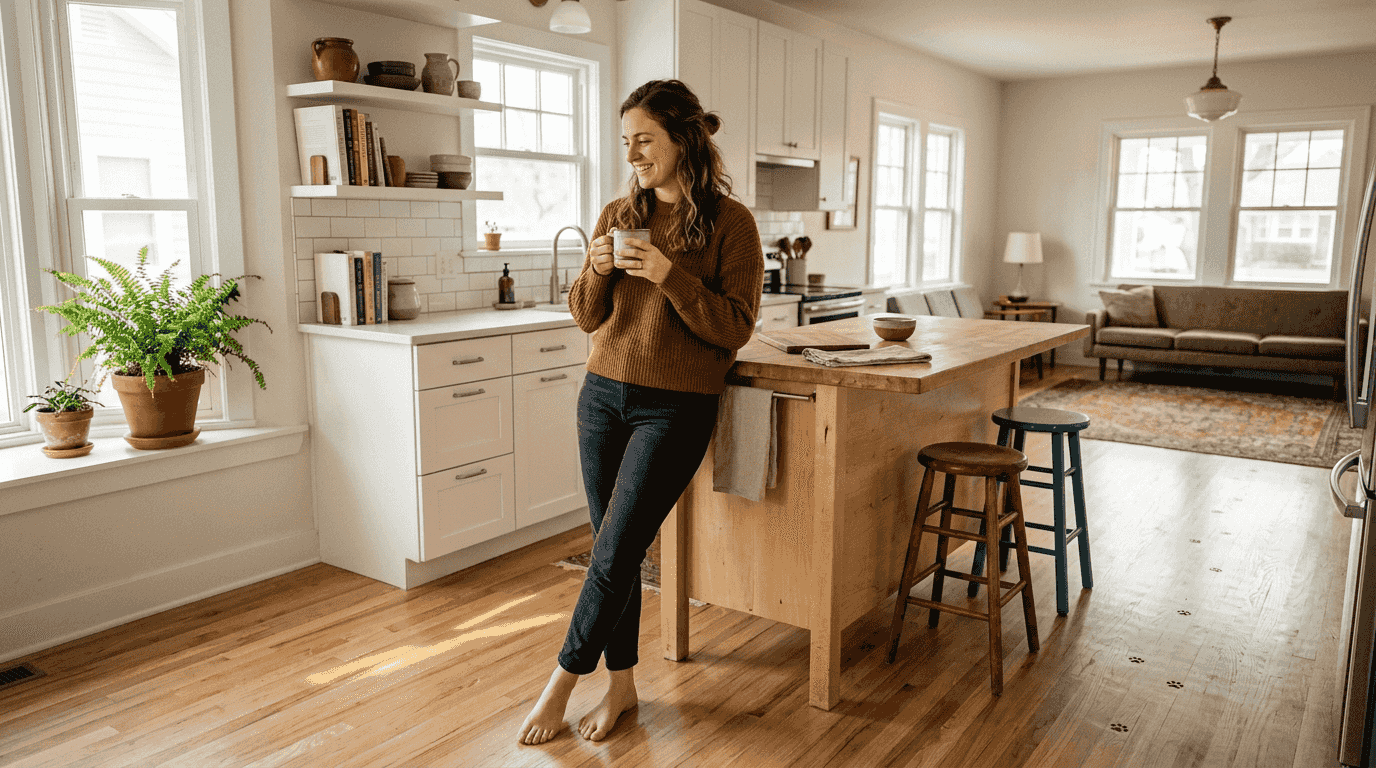
Dark tones such as espresso, walnut, and mahogany deliver warmth and sophistication. They anchor large, open-concept spaces and add depth to rooms with abundant natural light. Dark floors create dramatic contrast against white walls and light-colored furniture, establishing a luxurious foundation for interior design.
European oak provides one of the most versatile color ranges in hardwood flooring. European oak colors range from honey to gray and offer balanced aesthetics and durability, making them popular among Bay Area designers. The wood’s tight grain patterns accept stains evenly, producing consistent color results.
Exotic hardwoods deliver bold, distinctive colors that standard domestic species cannot match. Brazilian cherry brings rich reddish-brown tones, while tigerwood offers striking golden-orange hues with dark streaking. These premium options provide superior hardness ratings and unique visual impact.
Key strengths by color category:
- Natural tones offer timeless appeal and highlight authentic wood character
- Light colors maximize brightness and make spaces feel larger
- Dark shades create cozy, elegant atmospheres in well-lit areas
- European oak balances beauty with exceptional durability across color ranges
- Exotic species provide unmatched color uniqueness and premium hardness
Exploring hardwood flooring trends in the Bay Area and exotic wood options for hardwood flooring reveals how different colors perform in real homes.
Light vs. dark hardwood floor colors: pros, cons, and use cases
Light hardwood floors excel in smaller rooms and spaces with limited natural light. Light floors make small rooms look 30% larger through reflection and enhance brightness, creating the illusion of expanded square footage. They hide scratches, dents, and wear marks more effectively than dark options, reducing visible aging.
Dark hardwood floors work best in spacious, light-filled rooms where their richness enhances rather than overwhelms. Dark floors require more maintenance but add cozy luxury and increase home appeal when properly cared for. They show dust, pet hair, and water spots more readily, requiring frequent sweeping and immediate spill cleanup.
Maintenance routines differ between light and dark floors. Light floors need regular stain treatment for spills like wine or coffee, while dark floors demand consistent dust removal to maintain their polished appearance. Modern polyurethane and oil finishes protect both color options, but dark floors benefit especially from scratch-resistant coatings.
Bay Area home buyers often favor floor colors that suit the property’s natural light and spatial characteristics. Condos and smaller homes gain value from light floors that enhance openness. Larger estates and luxury properties showcase dark floors as premium features that convey elegance.
| Feature | Light Floors | Dark Floors |
|---|---|---|
| Best room size | Small to medium spaces | Large, open areas |
| Light requirements | Works in low-light conditions | Needs abundant natural light |
| Scratch visibility | Hides scratches and wear | Shows surface damage more |
| Dust visibility | Conceals dust effectively | Reveals dust and debris |
| Maintenance frequency | Moderate; focus on stain removal | Higher; requires frequent dusting |
| Design impact | Airy, spacious feel | Warm, luxurious atmosphere |
Pro Tip: If you love dark floors but worry about maintenance, choose a matte or hand-scraped finish that naturally disguises dust and minor surface imperfections better than high-gloss options.
Understanding dark vs light flooring options helps you weigh aesthetic preferences against practical upkeep requirements.
Coordinating hardwood floor colors with cabinets and decor
Successful floor and cabinet pairings rely on either contrast or complementary color strategies. Contrast creates visual interest by pairing warm floors with cool cabinetry or vice versa. Dark espresso floors paired with white or light gray cabinets produce clean, modern looks. Light ash or maple floors against navy or charcoal cabinets establish contemporary sophistication.
Complementary approaches use similar color temperatures for smooth transitions. Honey oak floors blend seamlessly with cream or beige cabinets, creating warm, cohesive kitchens. Gray-toned floors match beautifully with gray or taupe cabinetry, delivering monochromatic elegance popular in Bay Area modern homes.
Effective floor-cabinet color pairing balances contrast and complement for interior harmony, as seen in current hardwood flooring trends in the Bay Area. Design professionals recommend bringing cabinet samples or paint swatches when selecting floor colors to ensure accurate matching.
Furniture and decor elements should inform your floor color selection. Mid-century modern furniture with walnut or teak tones pairs naturally with medium to dark floors. Scandinavian or coastal styles featuring light woods and whites work best with pale floors that maintain the airy aesthetic.
Testing is essential before final commitment. Place large floor samples next to cabinets and under actual room lighting for at least two days. Observe how colors interact during morning, midday, and evening hours. Natural light changes dramatically throughout the day, affecting how floors and cabinets appear together.
Key coordination strategies:
- Use contrast for dynamic, modern spaces with distinct visual zones
- Choose complementary tones for traditional, flowing designs
- Match floor undertones (warm or cool) with cabinet color temperatures
- Test samples extensively under varied lighting before purchasing
- Consider existing furniture wood tones when selecting floor colors
Environmental and maintenance considerations for hardwood floor color choices
Sustainably sourced hardwood floors support environmental responsibility while delivering lasting beauty. Natural hardwood colors often come from sustainably sourced materials supporting greener homes, making natural hardwood floor colors popularity grow among eco-conscious Bay Area homeowners. Look for Forest Stewardship Council (FSC) certification when selecting floors.
Light-colored floors may require more frequent cleaning for visible stains from spills, mud, or pet accidents. Immediate treatment prevents permanent discoloration. Dark floors show dust, lint, and water spots prominently, demanding daily sweeping or vacuuming in high-traffic homes.
Proper finishes dramatically extend floor longevity regardless of color choice. Water-based polyurethane offers excellent protection with low volatile organic compound (VOC) emissions, supporting healthier indoor air quality. Oil finishes penetrate wood deeply, providing durable protection while maintaining natural appearance.
Eco-friendly flooring options reduce environmental impact and improve home health. Low-VOC finishes minimize harmful chemical emissions during and after installation. Locally sourced hardwoods reduce transportation carbon footprints, particularly important for Bay Area sustainability goals.
Balancing maintenance requirements with aesthetic preferences ensures long-term satisfaction. If you entertain frequently or have pets, consider medium-toned floors that hide both stains and dust reasonably well. Busy families might prioritize durability and easy maintenance over specific color ideals.
Sustainability and maintenance factors:
- FSC-certified woods ensure responsible forest management
- Low-VOC finishes protect indoor air quality for healthier homes
- Light floors need stain-focused cleaning; dark floors require dust management
- Quality finishes reduce maintenance needs across all color options
- Medium tones often provide the best balance for active households
Summary comparison of hardwood floor color options
Comparing hardwood floor colors across key features helps identify the best fit for your specific needs and budget. This table synthesizes price levels, durability characteristics, aesthetic impacts, maintenance requirements, and ideal room applications.
| Color Option | Price Range | Durability | Aesthetic Impact | Maintenance | Best Room Use |
|---|---|---|---|---|---|
| Natural tones | Moderate | High | Timeless, versatile | Low to moderate | Any room; especially open concepts |
| Light colors | Budget to moderate | Moderate to high | Bright, spacious, airy | Moderate; stain-focused | Small rooms, low-light spaces |
| Medium tones | Moderate | High | Balanced, adaptable | Low | High-traffic areas, family rooms |
| Dark colors | Moderate to high | Moderate to high | Luxurious, warm, elegant | Higher; dust-focused | Large, bright living spaces |
| European oak | Moderate to premium | Very high | Classic to contemporary | Low to moderate | Versatile; all room types |
| Exotic hardwoods | Premium | Exceptional | Bold, unique, statement | Moderate | Upscale interiors, feature areas |
Natural tones deliver reliable performance across diverse applications without extreme maintenance demands. Light colors maximize perceived space in tight quarters. Medium tones offer practical solutions for busy households needing forgiving surfaces.
Dark colors command attention in spacious, well-lit environments but require committed upkeep routines. European oak provides premium quality across a wide color spectrum with exceptional durability. Exotic hardwoods justify higher costs through superior hardness and distinctive aesthetics.
This comparison helps you cross-reference your priorities like budget, room size, and maintenance capacity to narrow viable options. Matching these features to your specific Bay Area home context streamlines decision making.
Situational picks: best hardwood floor colors for specific Bay Area home needs
Tailoring hardwood floor color choices to your specific living situation ensures practical satisfaction beyond aesthetic appeal. Small apartments and condos benefit most from light or natural tones that maximize perceived space. Pale oak or ash floors make compact layouts feel open and inviting, crucial for urban Bay Area properties.
Luxury estates with expansive floor plans and abundant natural light showcase dark hardwood beautifully. Rich walnut or espresso floors anchor large great rooms, creating intimate zones within open concepts. These premium colors signal quality and sophistication that appeal to high-end buyers.
Exotic hardwoods create standout floors in upscale or artistically focused interiors. Brazilian cherry or tigerwood delivers visual drama that serves as a design centerpiece. These options work best when other elements remain relatively simple, allowing the floor’s unique character to dominate.
Sustainably sourced natural tones fit eco-friendly remodels and green building projects perfectly. FSC-certified oak or maple in natural finishes satisfy environmental goals while providing durable, beautiful floors. Bay Area homeowners pursuing LEED certification or similar standards should prioritize these options.
Durable finishes matter especially for high-traffic family homes with children and pets. Medium-toned floors with aluminum oxide or ceramic-infused finishes resist scratches and wear from active lifestyles. Consider exploring affordable hardwood flooring Bay Area homes 2026 options that balance cost with durability.
Situational recommendations:
- Small spaces: Light ash, maple, or blonde oak for brightness and openness
- Luxury properties: Dark walnut, mahogany, or espresso for elegance and warmth
- Artistic interiors: Exotic tigerwood, Brazilian cherry, or zebrawood for visual impact
- Eco-focused remodels: FSC-certified natural oak or maple with low-VOC finishes
- Active family homes: Medium-toned hickory or oak with advanced scratch-resistant coatings
Explore premium hardwood floor colors at Kapriz Hardwood Flooring Store
After exploring selection criteria, color options, and situational recommendations, finding the right hardwood floors becomes your next step. Kapriz Hardwood Flooring Store offers an extensive hardwood floors selection perfect for Bay Area homes, from classic natural tones to luxurious exotic species.
Our flooring experts help you select colors based on your home’s specific lighting, room dimensions, and style preferences. Whether you’re planning wood flooring throughout the house or updating a single room, we guide you through choosing the right wood species and color for your unique needs. Discover sustainable, durable options tailored to your lifestyle and budget at competitive prices without compromising quality.
Frequently asked questions
What is the best hardwood floor color for a small room?
Light or natural tones reflect more light, making small rooms appear larger and brighter. Pale oak, ash, or maple create airy, open feelings ideal for tight or low-light spaces.
How do dark hardwood floors affect maintenance needs?
Dark floors show dust and scratches more easily, requiring frequent sweeping and immediate spill cleanup. Modern scratch-resistant finishes help preserve their luxurious appearance with proper care routines.
Are exotic hardwood colors worth the investment?
Exotic hardwood colors offer unique aesthetics and superior durability, making them excellent choices for statement floors. They cost more than domestic species but can increase home value and deliver distinctive design impact that standard options cannot match.
Can hardwood floor colors impact home resale value in the Bay Area?
Neutral and well-maintained hardwood floors generally enhance resale value significantly. Colors that harmonize with popular Bay Area design trends like light oak or medium walnut appeal more to buyers than highly unusual or outdated options.
Recommended
- How Do I Find My Perfect Hardwood Flooring? A Simple Guide for Homeowners | Kapriz Hardwood Flooring Store
- The Ultimate Guide to Selecting the Perfect Hardwood Flooring for Your Home | Kapriz Hardwood Flooring Store
- Choosing the Best Wood for Your Home – Oak, Maple, Walnut, and More | Kapriz Hardwood Flooring Store
- Hardwood Flooring: Choosing the Right Wood Species for Your Home | Kapriz Hardwood Flooring Store


