

What is fumed wood flooring: benefits and installation 2026
Many homeowners confuse fumed wood flooring with stained wood, but these are fundamentally different processes with distinct results. Fuming uses ammonia fumes to chemically react with wood tannins, creating a deep, integrated color that penetrates several millimeters below the surface. Unlike surface stains that can fade or show scratches, fumed wood offers exceptional durability and a rich, uniform finish that highlights natural grain patterns. This guide explains the fuming process, compares it to traditional staining, and shows you how to choose and install fumed wood flooring for lasting beauty in your home.
Table of Contents
- Understanding Fumed Wood Flooring: What It Is And How It Works
- Benefits Of Fumed Wood Flooring Compared To Stained Wood
- Design Versatility And Aesthetic Appeal Of Fumed Wood Flooring
- Choosing And Installing Fumed Wood Flooring: Practical Considerations
- Explore Premium Hardwood Flooring Options At Kapriz Hardwood Flooring Store
- Frequently Asked Questions About Fumed Wood Flooring
Key takeaways
| Point | Details |
|---|---|
| Chemical color change | Ammonia fumes react with wood tannins to darken color from within rather than applying surface pigment. |
| Deep penetration advantage | Color extends several millimeters into wood, making wear and scratches far less visible over time. |
| White oak performs best | High tannin content in white oak produces consistent, predictable results compared to other species. |
| Natural variation expected | Different wood batches react uniquely, creating subtle color differences that add character. |
| Versatile design appeal | Rich tones suit both traditional and contemporary interiors with timeless elegance. |
Understanding fumed wood flooring: what it is and how it works
Fuming wood involves exposing wood to ammonia fumes, which react chemically with tannins, darkening the wood and highlighting its grain. This process creates a color transformation that differs fundamentally from applying surface stains or finishes. The ammonia vapor penetrates the wood structure, bonding with tannin molecules to produce rich brown to dark ebony tones depending on exposure time and wood characteristics.
Unlike staining, fuming changes color several millimeters deep, resulting in a long-lasting and uniform finish. Surface stains sit atop wood fibers, making them vulnerable to wear patterns in high-traffic areas. When fumed wood experiences scratches or dents, the underlying color remains consistent because the transformation occurred throughout the wood depth. This integrated approach means your floor maintains its appearance even as it ages and develops a natural patina.
White oak stands out as the preferred species for fuming due to its naturally high tannin content. Red oak contains fewer tannins and produces less predictable results, sometimes appearing blotchy or uneven. Other hardwoods like cherry or maple lack sufficient tannins for effective fuming, making them poor candidates for this technique.
The ammonia fuming process follows distinct stages. First, wood boards are sanded smooth and cleaned to ensure even ammonia exposure. Next, boards are placed in a sealed chamber with containers of concentrated ammonia solution. As ammonia evaporates, fumes circulate around the wood for 24 to 72 hours depending on desired darkness. Finally, boards are removed, aired out, and finished with protective coatings.
Pro Tip: Always work with professionals when fuming wood because ammonia is highly corrosive and requires proper ventilation, protective equipment, and disposal methods. DIY attempts risk health hazards and uneven results.
The wood flooring installation process becomes simpler with pre-fumed boards, eliminating the need for on-site chemical handling. Manufacturers can control chamber conditions precisely, delivering consistent color across your entire order. This professional approach ensures safety while achieving the deep, rich tones that make fumed wood flooring so distinctive.
Key process elements include:
- Wood preparation through thorough sanding and cleaning
- Sealed chamber setup with proper ammonia concentration
- Controlled exposure time based on desired color depth
- Post-fuming ventilation to remove residual ammonia
- Protective finishing to seal and preserve the transformed wood
Benefits of fumed wood flooring compared to stained wood
Fumed oak’s color transformation occurs through chemical reaction with tannins, resulting in deep, even tones that are difficult to replicate with stains. This fundamental difference in how color develops creates multiple advantages for homeowners seeking durable, beautiful flooring. Surface stains rely on pigments suspended in carriers that penetrate only the topmost wood fibers, leaving the interior unchanged.
The integrated color of fumed wood means high-traffic wear becomes virtually invisible. When you walk across stained floors repeatedly, the surface coating gradually wears away, exposing lighter wood underneath and creating obvious traffic patterns. Fumed floors maintain consistent color because the transformation extends deep into the wood structure. Scratches from furniture or pet claws blend naturally rather than standing out as light marks against darker surfaces.
Fumed oak offers superior durability compared to stained oak due to color being integrated within the wood, making it more resistant to wear and tear. This durability translates to lower maintenance requirements and longer intervals between refinishing. While stained floors might need attention every 5 to 7 years, fumed floors can maintain their appearance for 10 to 15 years with proper care.
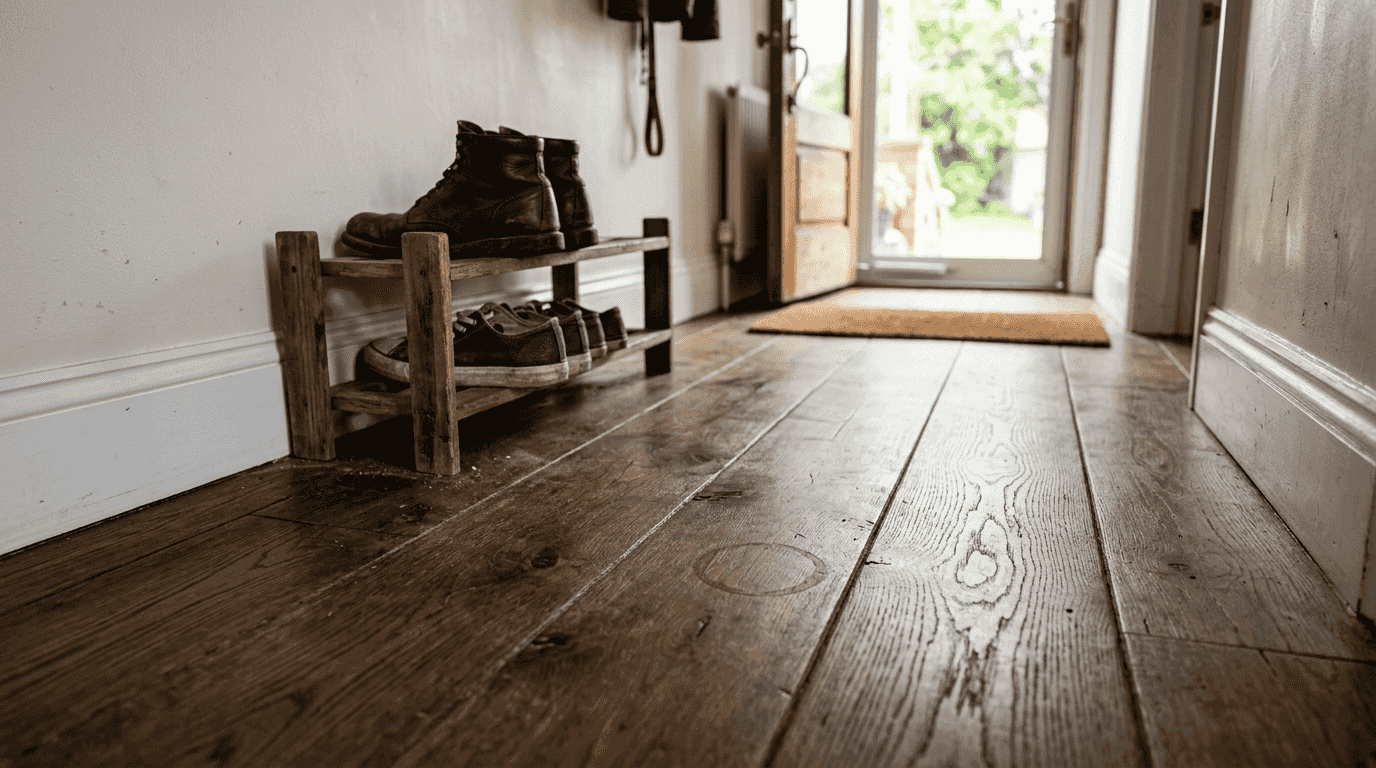
Application consistency presents another clear advantage. Staining wood requires careful brushing or wiping to avoid runs, drips, and blotchy areas where pigment concentrates unevenly. Even experienced professionals sometimes struggle with consistent stain application across large floor areas. Fuming eliminates these issues because ammonia vapor distributes uniformly throughout the sealed chamber, touching every exposed wood surface equally.
| Feature | Fumed Wood | Stained Wood |
|---|---|---|
| Color depth | Penetrates several millimeters | Surface layer only |
| Wear visibility | Minimal, color consistent throughout | High, lighter wood shows through |
| Application consistency | Uniform vapor exposure | Variable, requires skill |
| Maintenance frequency | Every 10-15 years | Every 5-7 years |
| Grain enhancement | Natural patterns highlighted | Can obscure fine details |
Grain visibility improves dramatically with fuming because the process enhances rather than masks wood character. Stains can fill pores and obscure subtle grain patterns, particularly with darker colors. Fuming darkens the wood while preserving every ray, figure, and grain line, creating depth and visual interest. This preservation of natural beauty makes fumed floors feel authentic and organic rather than artificially colored.
Pro Tip: When choosing hardwood species, prioritize white oak for fuming projects to ensure predictable, beautiful results that showcase the wood’s inherent character.
Additional benefits include:
- No chemical odors after installation compared to some stain products
- Color stability under UV light exposure
- Easier touch-up and repair work
- Enhanced resale value due to premium appearance
- Reduced environmental impact from fewer refinishing cycles
Design versatility and aesthetic appeal of fumed wood flooring
Deep, rich tones from fuming complement both classic and modern interiors with equal effectiveness. Traditional spaces benefit from the warm, aged appearance that fumed wood naturally provides, evoking craftsman-era authenticity without artificial aging techniques. Contemporary designs leverage the clean, uniform color as a sophisticated neutral backdrop that grounds minimalist furniture and bold accent pieces.
Color ranges from light caramel brown to nearly black depending on wood species, initial tannin content, and fuming duration. Shorter exposure times of 24 hours produce subtle honey tones with gentle darkening that maintains wood’s lighter character. Extended fuming of 72 hours or more creates dramatic ebony finishes rivaling the darkest stains while retaining complete grain visibility. This flexibility lets you customize darkness to match your specific design vision.
Fumed oak flooring suits both traditional and contemporary homes, offering a versatile aesthetic. The natural variation between boards adds organic character rather than appearing as a defect. No two trees contain identical tannin distributions, so each plank develops its own subtle personality during fuming. This variation creates visual movement across your floor, preventing the monotonous uniformity that can make synthetic materials feel sterile.
Grain patterns become focal points rather than being hidden under opaque color layers. White oak’s distinctive ray fleck, which appears as shimmering ribbons across quarter-sawn boards, stands out beautifully against fumed backgrounds. Cathedral patterns in plain-sawn boards gain definition and depth, creating natural artwork underfoot. These enhanced details reward closer inspection and add tactile interest to your space.
Fumed wood extends beyond flooring to create cohesive interior design schemes. Doors, trim, built-in cabinetry, and furniture pieces can all receive the same fuming treatment, establishing visual harmony throughout your home. This consistency feels intentional and sophisticated, particularly in open floor plans where multiple spaces flow together.
The warm, natural finish appeals to diverse tastes and age groups. Younger homeowners appreciate the contemporary edge of darker fumed tones paired with industrial or Scandinavian design elements. Older buyers value the traditional craftsmanship and timeless quality that fumed wood represents. This broad appeal makes fumed flooring a smart investment for resale value.
Design applications include:
- Wide plank installations for modern farmhouse aesthetics
- Herringbone or chevron patterns in formal spaces
- Mixed-width layouts for casual, rustic charm
- Border inlays to define room zones
- Contrast with lighter cabinetry and walls
The European oak flooring benefits align perfectly with fuming, as European oak varieties often contain higher tannin levels than American species, producing even richer color transformations. This combination of premium wood and sophisticated finishing technique delivers luxury flooring that elevates any interior.
Choosing and installing fumed wood flooring: practical considerations
Wood selection forms the foundation of successful fuming projects. White oak remains the gold standard due to consistent tannin content that produces predictable, even coloration. Red oak contains approximately 30% fewer tannins, leading to lighter results and potential blotchiness. Avoid species like maple, hickory, or ash entirely, as their low tannin levels prevent effective fuming regardless of exposure time.
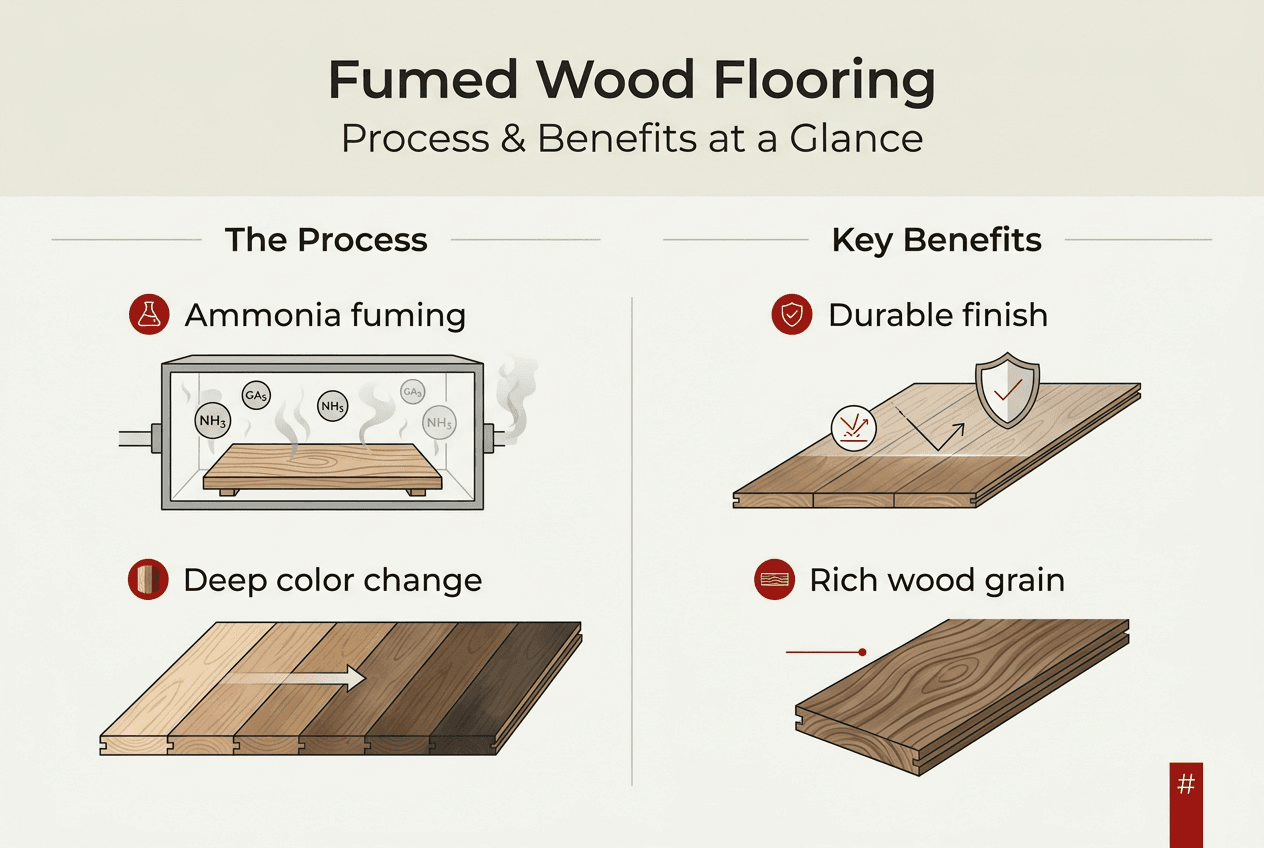
The ammonia fuming process involves several key stages, including wood preparation, chamber setup, the fuming process itself, and post-treatment finishing. Understanding these stages helps you appreciate why professional execution matters. Preparation requires meticulous sanding to remove any existing finishes, oils, or contaminants that could block ammonia penetration. Chamber conditions must maintain proper humidity and temperature for optimal chemical reactions.
Fuming is not a precise process, and different wood batches react differently. This natural variation means you should always request samples from your actual floor batch before finalizing your order. View multiple boards together under your home’s lighting conditions, both natural and artificial. What appears perfect in a showroom might look too dark or light in your specific space.
Installation steps for fumed wood flooring:
- Acclimate boards to your home’s humidity for 7 to 10 days before installation
- Inspect each plank for color consistency and arrange boards to distribute variation
- Install using appropriate methods for your subfloor type and board dimensions
- Handle boards carefully to avoid surface damage that could require touch-ups
- Apply final protective finish if boards arrive unfinished after fuming
Post-installation care extends your floor’s life and preserves its appearance. Sweep or vacuum regularly to remove abrasive dirt particles that can scratch protective finishes. Clean with pH-neutral hardwood floor cleaners, avoiding harsh chemicals or excessive water. Place protective pads under furniture legs and area rugs in high-traffic zones to minimize wear.
Safety considerations during fuming require professional expertise. Ammonia concentrations used for effective fuming can cause severe respiratory irritation, eye damage, and skin burns. Proper personal protective equipment includes respirators, chemical-resistant gloves, and eye protection. Disposal of spent ammonia must follow local environmental regulations to prevent groundwater contamination.
| Consideration | Recommendation | Reason |
|---|---|---|
| Wood species | White oak preferred | Highest tannin content for best results |
| Sample viewing | Request actual batch samples | Color varies between wood lots |
| Acclimation time | 7-10 days minimum | Prevents warping and gaps after install |
| Professional fuming | Always recommended | Safety and consistency concerns |
| Maintenance frequency | Weekly sweeping, monthly cleaning | Preserves finish and appearance |
The hardwood floor refinishing guide becomes relevant years after installation when protective finishes wear thin. Fumed floors offer an advantage here because sanding removes only surface material, and the underlying color remains consistent. You can refinish fumed floors multiple times without losing the distinctive color that makes them special.
Understanding the durability of wood flooring helps set realistic expectations for performance. While fuming enhances color durability, the wood itself still requires protection from moisture, extreme temperature changes, and physical impacts. Quality installation and regular maintenance determine whether your fumed floors last 20 years or 50 years.
Practical tips for best results:
- Order 10% extra material to account for cutting waste and future repairs
- Schedule installation during moderate humidity seasons
- Avoid fumed flooring in bathrooms or laundry rooms due to moisture exposure
- Consider engineered fumed oak for basement installations
- Document your floor’s specific product details for future reference
Explore premium hardwood flooring options at Kapriz Hardwood Flooring Store
Now that you understand what makes fumed wood flooring exceptional, finding the right products and expert guidance becomes your next step. At Kapriz Hardwood Floors, we offer carefully curated hardwood floors that meet our strict quality standards, including beautiful fumed oak options that deliver the durability and aesthetic appeal discussed throughout this guide.
Our team helps homeowners and designers select flooring that matches both their design vision and practical needs. Whether you’re planning wood flooring throughout house or focusing on specific rooms, we provide honest advice about which products work best for your situation. We explain hardwood flooring grades in plain language, ensuring you understand exactly what you’re purchasing and why it represents solid value for your investment. Quality hardwood flooring shouldn’t break your budget, and we prove that every day with products we trust enough to install in our own homes.
Frequently asked questions about fumed wood flooring
How does fumed wood flooring differ from stained wood flooring?
Fuming alters wood color through a chemical reaction between ammonia fumes and natural tannins, penetrating several millimeters deep. Staining applies pigmented coatings to the surface only, making wear more visible over time.
Why is white oak preferred for fuming over other wood species?
White oak contains high tannin levels essential for the chemical reaction that produces rich, even coloration. Red oak has fewer tannins and yields less predictable results, while species like maple lack sufficient tannins for effective fuming.
Is fumed wood flooring durable enough for high-traffic areas?
Yes, fumed flooring excels in high-traffic spaces because color extends deep into the wood, making scratches and wear far less noticeable than surface-stained floors. The integrated color maintains consistent appearance even as the floor ages.
Can I fume wood flooring myself or should I hire professionals?
Professional fuming is strongly recommended due to ammonia’s corrosive nature and the need for proper ventilation, safety equipment, and controlled chamber conditions. DIY attempts risk health hazards and uneven results.
How much color variation should I expect in fumed wood flooring?
Natural variation between boards is normal and desirable, adding organic character to your floor. Different wood batches react uniquely to ammonia, creating subtle differences that prevent monotonous uniformity while maintaining overall cohesion.
Does fumed wood flooring work with both traditional and modern design styles?
Absolutely. The rich, warm tones complement traditional interiors with authentic aged character while providing sophisticated neutral backdrops for contemporary minimalist designs. This versatility makes fumed flooring suitable for diverse aesthetic preferences.
Recommended
- What is floating wood floor? 2026 guide to quality hardwood | Kapriz Hardwood Flooring Store
- INSTALLING A WOOD FLOORING | Kapriz Hardwood Flooring Store
- Water resistant wood flooring: durable options explained | Kapriz Hardwood Flooring Store
- What Unique Hardwood Flooring Options Await in Exotic Woods? | Kapriz Hardwood Flooring Store


