

Must-have hardwood floor features for Bay Area homes
TL;DR:
- Choosing hardwood floors in the Bay Area requires prioritizing durability, aesthetics, affordability, and eco-friendliness to ensure long-term performance. Engineered hardwood with a thick wear layer and aluminum oxide finish is ideal for resisting moisture and wear in coastal microclimates, while sustainable FSC-certified options add eco-value. Most homeowners should expect to spend between $7 and $12 per square foot on quality flooring that balances these features and suits their specific environmental and lifestyle needs.
Choosing hardwood floors in the Bay Area is genuinely harder than it looks. You’re working with microclimates that shift between foggy and dry within a few miles, a housing market where every renovation decision affects resale value, and a design landscape that rewards both beauty and longevity. The features you choose matter far more than the brand name on the box or the color trending on Instagram right now. This article gives you a practical, feature-first framework for picking hardwood floors that hold up beautifully for decades, fit your budget, and actually suit how Bay Area homes live and breathe.
Table of Contents
- Key criteria for must-have hardwood floors
- Top must-have features for Bay Area hardwood floors
- Comparison of hardwood floor types and features
- Situational recommendations for Bay Area homeowners
- Our expert take: What most buyers overlook about hardwood features
- Explore premium hardwood options at Kapriz Hardwood Flooring Store
- Frequently asked questions
Key Takeaways
| Point | Details |
|---|---|
| Durability essentials | Choose engineered hardwood with a thick wear layer and premium finish for Bay Area resilience. |
| Eco-friendly options | FSC-certified floors are a must for sustainability and higher resale value. |
| Budget wisely | Expect to invest $7-12 per square foot for quality hardwood that lasts. |
| Compare features | Use a comparison table to weigh durability, affordability, and style across all options. |
| Tailored recommendations | Match hardwood types to your household’s unique needs for best overall value and performance. |
Key criteria for must-have hardwood floors
With the challenge clear, let’s start by defining what really matters when choosing hardwood floors. Most homeowners walk into a showroom focused on color and plank width. Those things are important, but they’re the last decision you should make, not the first.
The real checklist starts with four core criteria: durability, aesthetics, affordability, and eco-friendliness. When you balance these four priorities together, you get a floor that performs over time instead of looking great for two years and then disappointing you.
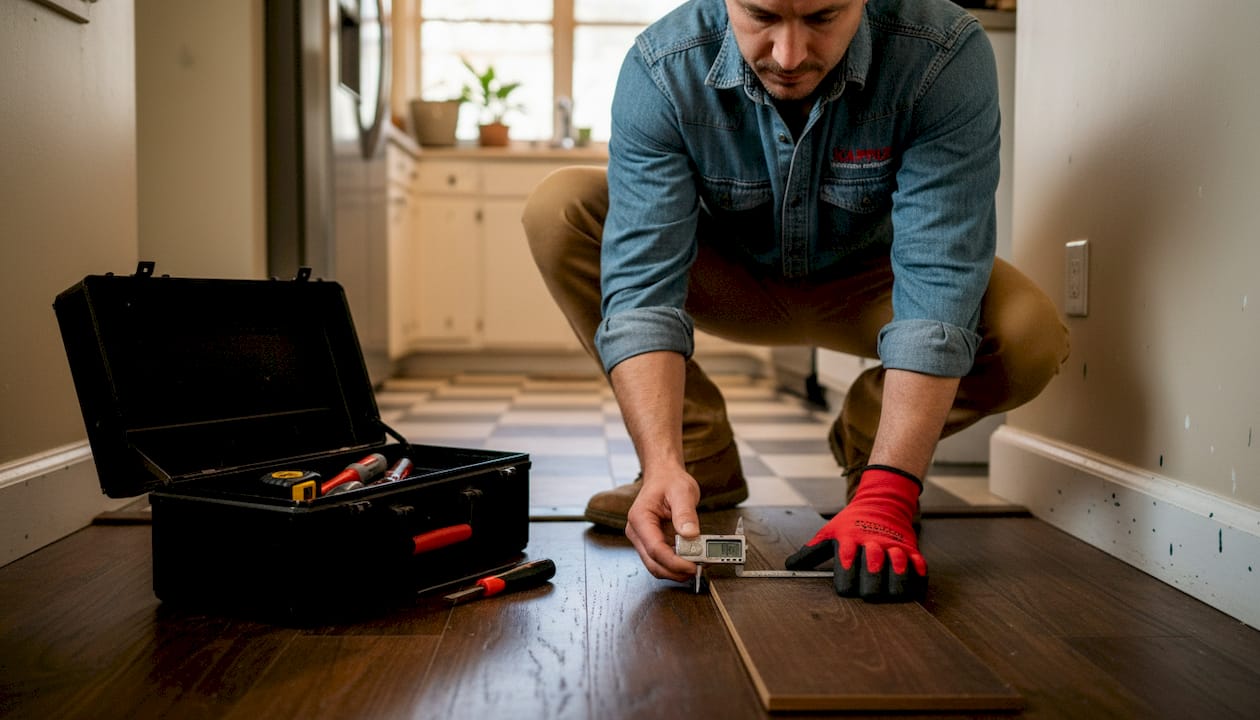
Durability comes down to two things: the wear layer and the finish. The wear layer is the top surface of the wood that takes all the abuse from foot traffic, pet claws, furniture legs, and dropped objects. Thicker wear layers last longer and can be sanded and refinished more times. The finish is what protects that layer from moisture, stains, and scratches on a daily basis.
Aesthetics is more nuanced than just picking a color you like. Grain pattern, plank width, and texture all interact with your room’s natural light. Wide planks (5 inches or more) make small Bay Area rooms feel larger. Tight, consistent grain like maple looks clean and modern. Open, varied grain like hickory adds warmth and hides minor scratches naturally.
Affordability means thinking beyond the price tag per square foot. A cheaper floor that needs refinishing in five years is not a bargain. When you’re choosing hardwood floors, factor in installation, maintenance, and expected lifespan together.
Eco-friendliness matters more in the Bay Area than almost anywhere else in the country. Buyers here care, and so do appraisers. FSC (Forest Stewardship Council) certification means the wood was harvested responsibly, without destroying old-growth forests. It increasingly shows up as a selling point in listings.
Here’s a quick checklist to run through before you buy:
- Wear layer thickness (4mm minimum for engineered hardwood)
- Finish type (aluminum oxide beats polyurethane for daily wear)
- Species hardness (Janka rating of 1000+ for busy households)
- Plank width and grain style that fits your room’s proportions
- FSC or similar eco-certification
- Price per square foot including installation and long-term maintenance
Pro Tip: Look for floors that carry both aluminum oxide finish and FSC certification. These two features together tell you the product was built to last AND sourced responsibly. You’ll often find them in the $8 to $11 per square foot range, which is the sweet spot for ideal hardwood flooring solutions in the Bay Area.
Top must-have features for Bay Area hardwood floors
Once you’ve set your criteria, zoom in on these absolute essentials. Not every floor checks every box, but the best options for Bay Area homes consistently share the same handful of features.
Engineered hardwood with a 4mm or thicker wear layer is the starting point for most Bay Area homes. The Bay Area’s coastal humidity doesn’t swing as dramatically as, say, a Chicago winter, but it’s persistent. Solid hardwood expands and contracts with moisture changes. Engineered hardwood, which layers real hardwood over a stable plywood core, resists that movement without sacrificing the look or feel of real wood.
The species matters too. Engineered oak or hickory with a 4mm+ wear layer and aluminum oxide finish gives you both durability and affordability in a single package. Oak is everywhere because it works everywhere. It takes stain beautifully, holds up under traffic, and suits both traditional and contemporary interiors. Hickory is harder, more dramatic in grain, and excellent if you have large dogs or active kids.
“The finish is your floor’s first line of defense. Aluminum oxide, baked into the factory finish, creates a ceramic-like barrier that outperforms site-applied polyurethane by a wide margin in scratch and wear resistance.”
Here’s what to look for specifically when you’re shopping durable hardwood flooring options:
- Wear layer: 4mm minimum, 6mm preferred for high-traffic areas
- Finish: Aluminum oxide, applied at the factory for maximum hardness
- Core: Multi-ply plywood core for dimensional stability in humidity
- Species: Oak, hickory, or maple for best durability-to-cost ratio
- Width: 5 to 7 inch planks for modern Bay Area aesthetics
On the sustainability side, FSC-certified products give you peace of mind and a legitimate selling point when the time comes to list your home. Sustainable wood flooring options have expanded significantly in recent years, and you’re no longer paying a premium just for the certification. Many quality floors carry it as a standard feature.
Budget guidance is simple here. In the Bay Area, expect to pay $7 to $12 per square foot for a quality engineered hardwood that includes the must-have features above. Anything significantly below that range usually cuts corners on wear layer thickness or finish quality. Anything above $12 is typically a premium species or custom finish that looks beautiful but doesn’t outperform the $9 to $10 range on the features that actually matter.
Pro Tip: If you’re torn between two options and one has aluminum oxide finish while the other has polyurethane, always go with aluminum oxide. The factory-cured ceramic particles make it dramatically harder to scratch, which means your hardwood floor design ideas will still look fresh five years down the road without aggressive maintenance.
Comparison of hardwood floor types and features
Now, let’s see how these features stack up across popular hardwood options. This table cuts through the noise and shows you exactly which type performs best for each priority.
| Feature | Engineered hardwood | Solid hardwood | Sustainable/reclaimed |
|---|---|---|---|
| Humidity resistance | Excellent | Moderate | Varies |
| Wear layer thickness | 2mm to 6mm | Full board depth | Varies (often 4mm+) |
| Aluminum oxide finish | Common | Common | Less common |
| FSC/eco certification | Widely available | Available | Usually certified |
| Price per sq ft | $7 to $12 | $8 to $15 | $10 to $18 |
| Refinishing cycles | 3 to 5 times | 7 to 10 times | 3 to 8 times |
| Design flexibility | Very high | High | Moderate |
| Best use case | Any floor level | Upper floors | Feature spaces |
The table tells an honest story. Solid hardwood for long-term value and engineered for climate performance is the right mental model for Bay Area buyers. Solid hardwood, when installed upstairs in a humidity-controlled environment, can outlast the house itself. It refinishes more times, ages gracefully, and holds strong resale value. But put solid hardwood over a concrete slab or in a basement, and you’re asking for trouble.
Engineered hardwood is the practical choice for most Bay Area floor plans. It works on every floor level, handles the coastal climate without warping, and gives you virtually the same design range as solid at a lower price point. The hardwood vs laminate cost comparison is also worth checking if you’re on a tight budget, but engineered hardwood consistently beats laminate on resale value and tactile feel.
Sustainable and reclaimed options occupy a special category. They’re often the most durable flooring types because old-growth wood is denser than modern-growth lumber. The trade-off is cost and design consistency. Reclaimed wood looks incredible in the right space but requires more care during installation and maintenance.
A few standout observations from that comparison:
- Engineered hardwood wins on versatility and value, making it the default choice for most Bay Area projects
- Solid hardwood wins on total refinishing lifespan, making it worth the extra cost if you’re planning to stay for 20+ years
- Sustainable options win on eco-story and character, making them the right call for design-forward homeowners or feature rooms
- Affordable hardwood flooring in the $7 to $9 range almost always means engineered oak or maple, and that’s genuinely not a compromise
Situational recommendations for Bay Area homeowners
This structured comparison leads to clear recommendations for different homeowner scenarios. The best floor for your neighbor’s Victorian in Noe Valley might be the wrong call for your split-level in Fremont. Context shapes everything.
Here are the most common Bay Area situations and what actually works:
- Moisture-prone areas or lower levels: Go with engineered hardwood, full stop. Basements, ground-floor units, and rooms near the kitchen or bathroom need a floor that tolerates humidity without buckling. A 5mm wear layer over a multi-ply core is your safest bet.
- Upstairs bedrooms and living rooms with managed humidity: Solid hardwood is worth considering here. If you run a whole-home humidifier in winter and air conditioning in summer, the environment is stable enough for solid wood to perform at its best.
- Eco-conscious homeowners: FSC-certified engineered or solid hardwood hits the sustainability goal without sacrificing durability. Look for products that also use low-VOC (volatile organic compound, a type of chemical emission) adhesives and finishes for better indoor air quality.
- High-traffic households with pets or kids: Choose hickory or white oak engineered hardwood with a Janka rating above 1200 and aluminum oxide finish. These floors absorb the punishment of active households without showing it.
- Design-focused renovations: Wide-plank white oak in a matte finish is dominating Bay Area remodels right now, and for good reason. It looks expensive, photographs beautifully, and complements both mid-century and contemporary interiors.
The Bay Area’s varied climate requires careful selection, and humidity control is vital for solid hardwood specifically. When buyers skip this step and install solid wood in the wrong environment, they end up with cupping (edges curling up) or gapping (cracks between planks) within a year or two.
Connecting with a local specialist who understands hardwood flooring Bay Area conditions makes a real difference. The recommendations you get from someone who has installed floors in a foggy Inner Sunset home are more reliable than generic national advice.
Pro Tip: Budget for installation and maintenance before you finalize your product choice. Installation typically adds $3 to $5 per square foot in the Bay Area. Factoring that in upfront prevents sticker shock and helps you find the real best value in your price range, not just the cheapest material cost.
Our expert take: What most buyers overlook about hardwood features
After years of helping Bay Area homeowners choose floors, we’ve noticed a consistent pattern: people walk in focused on color and leave having missed the features that will actually determine how happy they are five years later.
Color fades from memory. Scratches do not.
The two features buyers most commonly overlook are wear layer thickness and finish chemistry. A floor with a 2mm wear layer and a standard polyurethane finish looks identical on the showroom floor to one with a 6mm wear layer and aluminum oxide. The difference only becomes clear after two years of real-life traffic. By then, the cheaper option needs refinishing or replacement, and that “savings” has evaporated entirely.
We’d also argue that eco-certifications are becoming a financial consideration, not just an ethical one. Bay Area buyers increasingly filter listings by green features. An FSC-certified floor and low-VOC finishes are talking points that translate into real value at resale. Prioritizing engineered hardwood with strong wear layers and eco certifications isn’t just idealism. It’s smart Bay Area real estate strategy.
The most counterintuitive advice we give clients is this: stop optimizing for the lowest price per square foot and start optimizing for the lowest cost per year of ownership. A $9 per square foot floor that lasts 25 years before needing refinishing costs far less over time than a $6 floor that needs replacement in 10 years. That’s the math that actually protects your investment, and it’s the lens we apply to every product we carry. For a deeper look at the best options for your specific situation, the ideal hardwood flooring solutions page is a good starting point.
Explore premium hardwood options at Kapriz Hardwood Flooring Store
Ready to put these must-have features into action? Here’s where to start.
At Kapriz Hardwood Floors, we’ve done the vetting work for you. Every product in our store meets the durability and quality standards we’d use in our own homes. Browse our full range of hardwood floors to find options across every budget, from accessible engineered hardwood to premium wide-plank solid wood.
If you’re thinking about updating wood flooring throughout the house, we can help you find a consistent look that flows from room to room without exceeding your budget. Our team knows Bay Area homes and Bay Area climates firsthand. Check out our curated selection of engineered hardwood options specifically chosen for performance in coastal and humidity-variable environments. We’re here to help you make a confident choice, not just a purchase.
Frequently asked questions
What is the ideal wear layer thickness for Bay Area hardwood floors?
For engineered hardwood, a wear layer of 4mm or more offers the best durability and longevity, especially in high-traffic Bay Area homes. Six millimeters is worth the extra cost in busy households.
How do I ensure my hardwood floors handle Bay Area humidity?
Engineered hardwood resists humidity changes best, while solid hardwood needs humidity control and professional installation to perform well over time. Stick with engineered options for ground-level or coastal-adjacent rooms.
Are sustainable hardwood floors worth the investment?
Yes. FSC certification boosts sustainability and increasingly adds measurable resale value in the Bay Area, where eco-conscious buyers actively look for green features.
Is aluminum oxide flooring finish better than polyurethane?
Aluminum oxide finish significantly increases scratch and wear resistance compared to polyurethane, and unlike site-applied finishes, aluminum oxide offers superior durability because it is cured at the factory under controlled conditions.
What is the typical price range for high-quality hardwood floors in the Bay Area?
Bay Area homeowners typically pay $7 to $12 per square foot for premium engineered or solid hardwood that includes must-have features like thick wear layers, aluminum oxide finish, and eco-certification.
Recommended
- What Are the Ideal Hardwood Flooring Solutions for Bay Area Homes? | Kapriz Hardwood Flooring Store
- How to choose hardwood floors for your Bay Area home | Kapriz Hardwood Flooring Store
- How to choose quality hardwood floors for your Bay Area home
- Hardwood floor design ideas for Bay Area homes | Kapriz Hardwood Flooring Store

