

Water resistant wood flooring: durable options explained
Many homeowners believe wood flooring naturally repels water, but that’s a myth. Water damage ranks among the top threats to traditional hardwood, causing warping, swelling, and costly repairs. This guide explains what water-resistant wood flooring really is, how it protects your investment, and how to choose the right type for rooms prone to moisture. You’ll learn practical tips to select, install, and maintain floors that stand up to spills, pets, and humidity without sacrificing the beauty of real wood.
Table of Contents
- Understanding Water-Resistant Wood Flooring
- How Water-Resistant Wood Flooring Works And Its Benefits
- Moisture Challenges For Wood Floors And How To Manage Them
- Choosing And Maintaining Water-Resistant Wood Flooring In Your Home
- Explore Water-Resistant Hardwood Flooring Options At Kapriz Hardwood Flooring Store
- Frequently Asked Questions
Key takeaways
Point: Water-resistant wood flooring prevents moisture damage unlike regular wood floors
Details: Protective layers or engineered designs shield against spills and humidity.
Point: Proper subfloor moisture control is vital to prevent floor failure
Details: Managing subfloor moisture with barriers and meters stops warping before it starts.
Point: Waterproof hardwood offers durability against spills, pet traffic, and wear
Details: Proven to resist fading and warping for over 5 years under typical household conditions.
Point: Maintenance of water-resistant wood floors is minimal with basic cleaning
Details: Simple vacuuming and mopping keep floors looking new without special treatments.
Point: Choosing the right wood species and floor type enhances water resistance and longevity
Details:Matching materials to room use and moisture levels maximizes performance and value.
Understanding water-resistant wood flooring
Wood is a natural material that reacts strongly to moisture. Wood absorbs water causing movement and rot, making traditional hardwood floors vulnerable in kitchens, bathrooms, and basements. Water-resistant or waterproof wood flooring uses protective layers, engineered construction, or specialized finishes to block moisture penetration. Many homeowners assume wood naturally handles water well, leading to poor flooring choices that fail prematurely.
Traditional wood floors face several water-related problems that shorten their lifespan:
- Swelling from moisture absorption pushes planks apart and creates uneven surfaces
- Warping bends boards upward or downward, ruining the floor’s flat appearance
- Staining occurs when water sits on the surface, leaving permanent marks
- Rot develops when prolonged moisture breaks down wood fibers, causing structural failure
Water-resistant wood flooring addresses these issues by incorporating barriers that prevent moisture from reaching the wood core. Engineered hardwood, for example, layers thin wood veneers over plywood or high-density fiberboard, reducing expansion and contraction. Protective topcoats seal the surface, stopping spills before they penetrate. Understanding how water damages wood helps you appreciate why protecting hardwood floors from moisture is critical for long-term performance.
“Wood hates water. Water makes wood do weird things like move and rot.” This insight from building science experts highlights why proper moisture protection is non-negotiable for wood flooring success.
The key difference between regular and water-resistant wood flooring lies in how each handles moisture exposure. Regular hardwood swells and warps quickly when wet. Water-resistant options use technology and design to delay or prevent moisture damage, giving you time to clean spills and maintain your floors without panic.
How water-resistant wood flooring works and its benefits
Water-resistant wood flooring achieves its protective qualities through advanced construction and finishing techniques. Engineered hardwood stacks multiple wood layers with alternating grain directions, creating stability that resists moisture movement. Manufacturers apply waterproof topcoats or integrate vinyl or polymer cores that block water entirely. Some products use tight-locking installation systems that seal seams, preventing moisture from seeping between planks.
Here’s how water resistance is built into modern wood flooring step by step:
- Start with an engineered core of plywood, HDF, or waterproof polymer that resists moisture expansion
- Apply a hardwood veneer on top for authentic wood appearance and texture
- Seal the surface with multiple coats of water-resistant urethane or aluminum oxide finish
- Add edge sealing or click-lock systems during installation to close gaps against moisture entry
- Install over vapor barriers or underlayment to block subfloor moisture from rising into the floor
Waterproof hardwood flooring delivers measurable durability in real-world home conditions. Floors remain free of warping or fading after 5 years of exposure to spills, pet traffic, and general wear. This longevity translates to fewer repairs and replacements, saving money over time. You gain peace of mind knowing your floors can handle daily life without constant worry about water damage.
Benefits extend beyond moisture protection. Water-resistant wood floors resist scratches and scuffs better than traditional hardwood, thanks to tougher finishes. Cleaning requires only vacuuming and damp mopping, no special waxes or polishes. Pets and kids cause less stress when you know spills wipe up without leaving permanent damage. These floors suit high-traffic areas like kitchens, entryways, and mudrooms where moisture exposure is frequent.
Water resistance also extends floor lifespan by preventing the early failures that plague regular hardwood in humid or wet environments. Instead of replacing warped boards after a few years, you enjoy decades of performance. This durability makes water-resistant wood flooring a smart investment for homeowners seeking hardwood flooring options for pets or families with active lifestyles.
Moisture challenges for wood floors and how to manage them
Moisture threats to wood flooring come from multiple sources. High indoor humidity causes wood to absorb moisture from the air, leading to expansion and cupping. Subfloor moisture migrates upward through concrete or wooden subfloors, attacking floors from below. Spills, leaks, and wet mopping introduce surface moisture that penetrates unsealed wood. Understanding these risks helps you take preventive action before damage occurs.
Unchecked subfloor moisture causes hardwood floor failure more than any other factor. Concrete slabs can hold moisture for months or years after construction, releasing it slowly into flooring above. Wood subfloors in crawl spaces or over damp basements absorb humidity, transferring it to finished floors. Up to half of basements show moisture entry or damage in some regions, making moisture control essential during installation.
| Moisture Risk | Prevention Method |
|---|---|
| High indoor humidity | Use dehumidifiers to maintain 30-50% relative humidity year-round |
| Subfloor moisture in concrete | Install vapor barriers and allow concrete to cure fully before flooring |
| Wet mopping damage | Use damp mops only and dry floors immediately after cleaning |
| Spills and leaks | Wipe up liquids within minutes and repair plumbing leaks promptly |
| Seasonal humidity swings | Acclimate wood flooring to room conditions for 72 hours before installation |
Best practices for moisture control protect your flooring investment before and after installation:
- Measure subfloor moisture with a pin or pinless moisture meter before installing wood floors
- Install vapor barriers over concrete slabs or in crawl spaces to block rising moisture
- Maintain consistent indoor humidity levels with HVAC systems or standalone humidifiers and dehumidifiers
- Inspect plumbing and appliances regularly for leaks that could damage floors
- Choose water-resistant underlayment products that add an extra moisture barrier beneath flooring
Pro Tip: Always test subfloor moisture levels with a quality moisture meter before installation. Concrete should read below 4% moisture content and wood subfloors below 12%. Use vapor barriers rated for your climate and subfloor type to prevent moisture migration.
Managing moisture prevents costly floor failures and extends the life of your investment. Preparing concrete slab for wood flooring with proper moisture testing and barriers stops problems before they start. The importance of underlayment cannot be overstated, as quality underlayment blocks moisture, reduces noise, and adds cushioning. Taking these steps ensures your water-resistant wood flooring performs as designed for decades.
Choosing and maintaining water-resistant wood flooring in your home
Selecting the right water-resistant wood flooring starts with matching products to room use and moisture levels. Kitchens and bathrooms demand fully waterproof options like engineered hardwood with polymer cores. Living rooms and bedrooms tolerate water-resistant finishes on solid or engineered hardwood. Consider your lifestyle too. Homes with pets or children benefit from tougher finishes that resist scratches and spills.
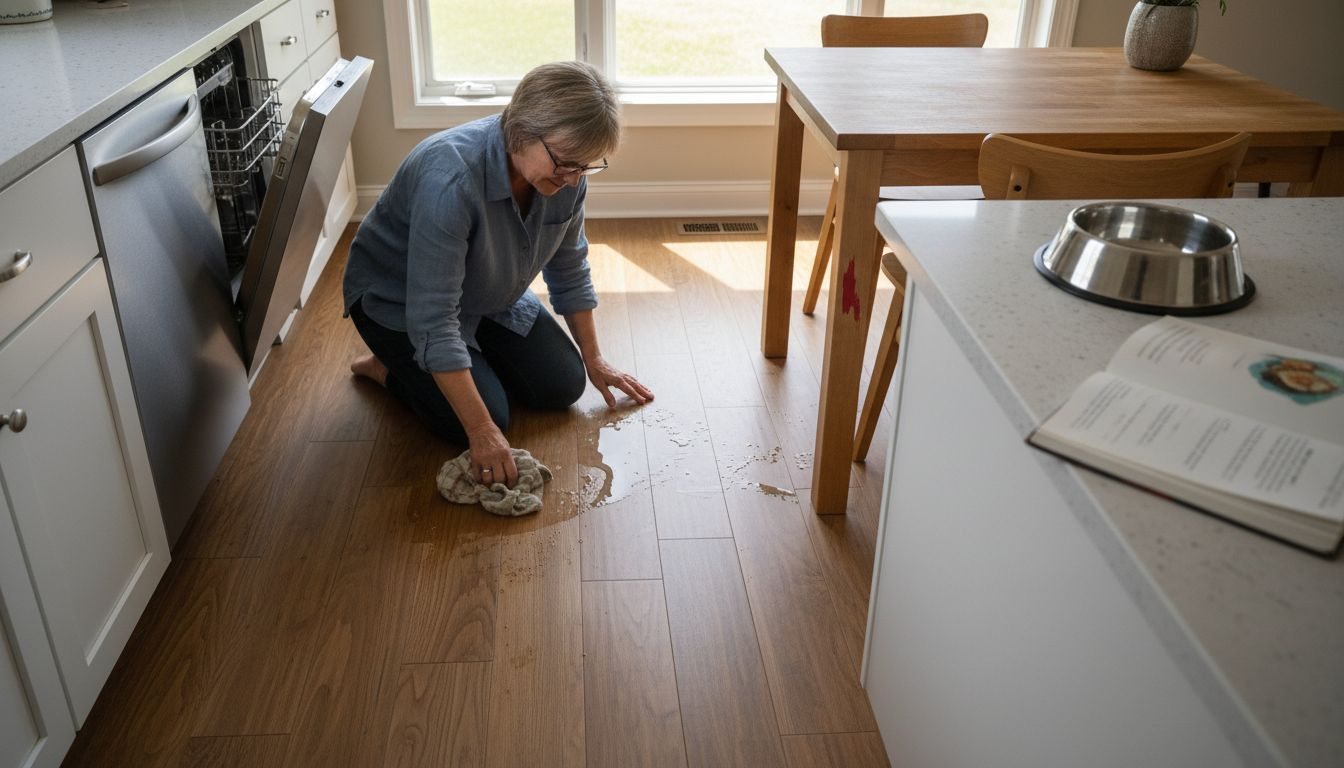
Style preferences matter as much as function. Water-resistant wood flooring comes in dozens of species, colors, and plank widths. Oak and maple offer classic looks with good durability. Exotic species like Brazilian cherry add unique character. Wider planks create a modern feel, while narrow strips suit traditional styles. Choosing the right wood species balances aesthetics with water resistance, as some woods naturally handle moisture better than others.
Maintaining water-resistant wood floors keeps them looking new with minimal effort:
- Vacuum or sweep weekly to remove dirt and grit that scratches finishes
- Damp mop with a microfiber mop and pH-neutral wood floor cleaner monthly
- Wipe spills immediately with a dry or slightly damp cloth to prevent surface damage
- Use felt pads under furniture legs to avoid scratches and dents
- Avoid steam mops or excessive water, which can penetrate seams over time
- Inspect floors annually for wear and recoat high-traffic areas as needed
Pro Tip: Replacing old flooring with waterproof hardwood updates your home instantly and provides peace of mind against future water damage. This upgrade adds value and modern appeal while reducing maintenance headaches.
Upgrading from older floors to water-resistant wood flooring delivers real-world benefits beyond appearance. You eliminate the constant worry about spills ruining your investment. Guests and family members relax knowing accidents won’t cause permanent damage. Resale value increases as buyers recognize the durability and low maintenance of quality water-resistant floors.
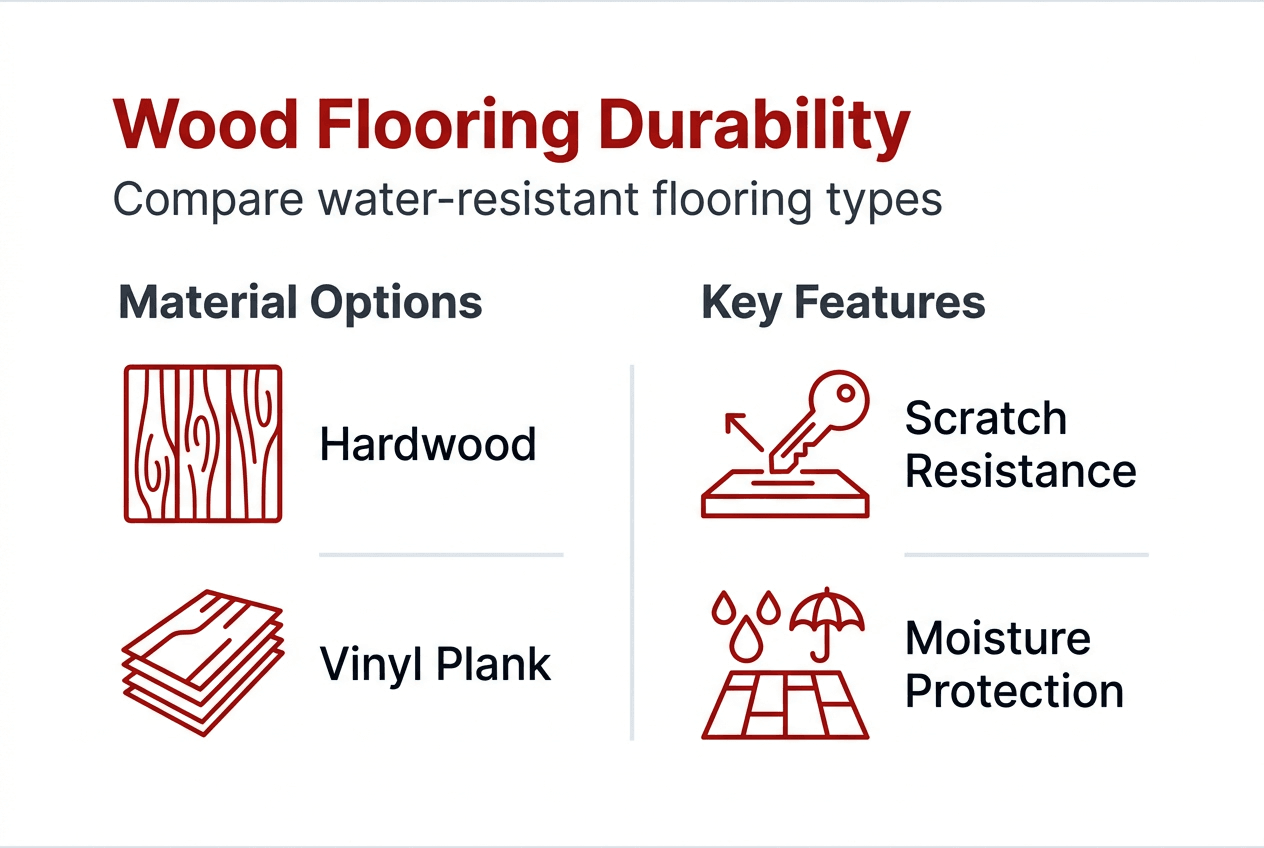
Balancing water resistance with aesthetic goals requires comparing materials and finishes. The hardwood vs vinyl vs laminate comparison helps you weigh pros and cons of each flooring type. Waterproof engineered hardwood offers the best of both worlds, authentic wood beauty with superior moisture protection. Matching wood species and finishes to your home’s style ensures your floors enhance rather than clash with existing decor.
Explore water-resistant hardwood flooring options at Kapriz Hardwood Flooring Store
Now that you understand how to select and maintain water-resistant floors, it’s time to explore quality products that fit your home. Kapriz Hardwood Flooring Store offers a wide selection of water-resistant and waterproof hardwood flooring options designed for durability and beauty. Our team provides professional guidance to help you choose the right wood type, finish, and installation method for your specific needs.
We don’t compromise on quality to save a few bucks. Every product we carry meets our high standards because we wouldn’t use anything less in our own homes. Whether you need hardwood floors for a single room or wood flooring throughout house, we have options that balance affordability with lasting performance. Our experts help you navigate choices, ensuring your investment delivers the water resistance and style you want. Visit our hardwood flooring choosing the right wood species guide to start your upgrade today.
Frequently asked questions
What makes wood flooring water-resistant?
Water-resistant wood flooring uses protective layers like waterproof topcoats, engineered construction with moisture-stable cores, or tight-locking installation systems that seal seams. These features prevent or delay moisture penetration, protecting the wood from swelling and warping.
Can water-resistant wood flooring be installed in bathrooms?
Yes, but choose fully waterproof engineered hardwood or luxury vinyl plank with wood appearance for bathrooms. These products handle high humidity and direct water exposure better than water-resistant solid hardwood, which is better suited for kitchens or living areas.
How long does water-resistant wood flooring last?
Quality water-resistant wood flooring lasts 20 to 50 years with proper maintenance and moisture control. Waterproof engineered hardwood shows no warping or fading after 5 years of typical household use, and can be refinished multiple times to extend its lifespan further.
Is water-resistant wood flooring more expensive than regular hardwood?
Water-resistant wood flooring typically costs 10 to 30% more than traditional hardwood due to advanced construction and finishes. However, it saves money long-term by reducing repairs, replacements, and moisture damage costs, making it a smart investment for moisture-prone areas.
What is the best way to clean water-resistant wood floors?
Vacuum or sweep weekly to remove dirt, then damp mop monthly with a microfiber mop and pH-neutral wood floor cleaner. Wipe spills immediately and avoid steam mops or excessive water. This simple routine keeps water-resistant wood floors looking new for years.
Do water-resistant wood floors need special underlayment?
Yes, use moisture-blocking underlayment designed for wood flooring, especially over concrete slabs or in humid climates. Quality underlayment adds an extra moisture barrier, reduces noise, and provides cushioning, enhancing the performance and comfort of your water-resistant wood floors.
Recommended
- Stay Dry and Stylish: The Benefits of Waterproof Vinyl Flooring | Kapriz Hardwood Flooring Store
- A-MEOW-ASING harwood flooring options for cat owners | Kapriz Hardwood Flooring Store
- Best Hardwood Flooring Options if You own a dog. | Kapriz Hardwood Flooring Store
- 2025 Flooring Guide – Hardwood Durability vs. Laminate Ease vs. Vinyl | Kapriz Hardwood Flooring Store


