

Hardwood vs laminate flooring: Bay Area cost guide 2026
Bay Area homeowners often face sticker shock when comparing flooring options. Hardwood can cost 40-60% more than laminate when you factor in materials and installation, yet many assume laminate is a cheap knockoff. The reality is more nuanced. Both options offer distinct benefits depending on your budget, lifestyle, and long-term plans. This guide breaks down the true costs, durability differences, and practical considerations to help you choose the flooring that fits your home and wallet without regret.
Table of Contents
- Comparing Costs Of Hardwood And Laminate Flooring In The Bay Area
- Durability, Maintenance, And Lifespan Differences Between Hardwood And Laminate
- Appearance, Installation, And Style Considerations For Bay Area Homeowners
- Choosing The Right Flooring: Practical Tips For Bay Area Homeowners
- Explore Bay Area Hardwood And Laminate Flooring Options With Kapriz Hardwood Flooring
- Hardwood Vs Laminate Flooring: Frequently Asked Questions
Key takeaways
| Point | Details |
|---|---|
| Cost difference | Hardwood costs $8-15 per sq ft installed versus $3-8 for laminate in the Bay Area. |
| Durability | Hardwood lasts 30+ years with refinishing; laminate lasts 10-20 years without refinishing. |
| Maintenance | Laminate resists scratches and stains better, but hardwood can be restored multiple times. |
| Appearance | Hardwood offers authentic grain and warmth; modern laminate mimics wood convincingly. |
| Installation | Hardwood requires nails or glue; laminate uses floating click systems for easier setup. |
Comparing costs of hardwood and laminate flooring in the Bay Area
The price gap between hardwood and laminate is substantial. Hardwood flooring costs $8-15 per square foot installed, while laminate runs $3-8 per square foot, with Bay Area labor costs 15-25% higher than the national average. That means a 500-square-foot living room could cost $4,000 to $7,500 for hardwood versus $1,500 to $4,000 for laminate.
Why the difference? Hardwood installation demands specialized skills. Installers must acclimate the wood, nail or glue each plank, and sand the surface smooth. Laminate uses a floating installation method where planks click together over underlayment, requiring less expertise and time. Bay Area labor rates amplify this gap because skilled hardwood installers command premium wages in a high-cost region.
Material costs also vary widely. Solid oak or maple hardwood starts around $5 per square foot for materials alone, while exotic species like Brazilian cherry can exceed $10. Laminate materials range from $1 to $4 per square foot, with high-end options featuring realistic textures and thicker wear layers at the upper end. When you add installation, the total installed price for laminate can be 40-60% cheaper than hardwood.
Pro Tip: Calculate long-term costs, not just upfront expenses. Hardwood can be refinished multiple times over decades, while laminate requires full replacement after its wear layer degrades. A $6,000 hardwood floor refinished twice over 30 years might cost less per year than replacing a $3,000 laminate floor every 15 years.
Here’s a quick cost breakdown for a typical Bay Area installation:
| Flooring Type | Material Cost per Sq Ft | Installation Cost per Sq Ft | Total Cost per Sq Ft |
| — | — | — |
| Hardwood | $5-10 | $3-5 | $8-15 |
| Laminate | $1-4 | $2-4 | $3-8 |
These figures assume standard installation without subfloor repairs or complex layouts. If your home needs subfloor leveling or moisture barriers, add $1-3 per square foot. Understanding hardwood flooring costs from purchase to installation helps you budget accurately and avoid surprises.
For homeowners weighing budget hardwood look laminate vs lvp, laminate offers wood aesthetics without the premium price. If you’re curious whether are laminate floors a good alternative to hardwood, the answer depends on your priorities: upfront savings versus long-term investment.
Durability, maintenance, and lifespan differences between hardwood and laminate
Hardwood’s biggest advantage is longevity. Hardwood floors can be sanded and refinished multiple times, extending their lifespan beyond 30 years, while laminate flooring generally lasts 10-20 years with no refinishing option. A well-maintained oak floor installed in 1996 can look brand new in 2026 after two refinishing sessions. Laminate, once its wear layer wears through, must be replaced entirely.
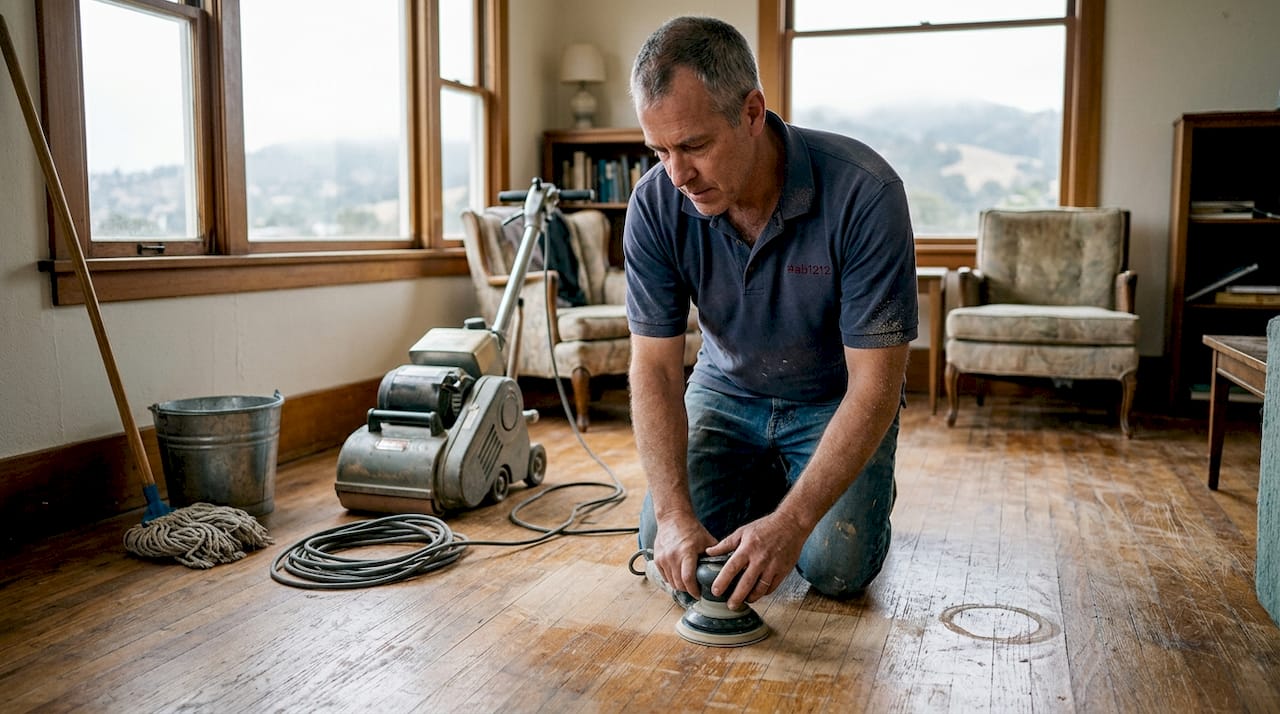
Maintenance routines differ significantly. Hardwood requires periodic refinishing every 7-10 years depending on traffic, plus careful cleaning with pH-neutral products to avoid damaging the finish. Spills must be wiped immediately because water can warp or stain the wood. Laminate’s wear layer resists scratches and stains better than hardwood’s finish, and most spills wipe clean without issue. However, laminate is vulnerable to moisture seeping between planks, which can cause swelling and buckling.
Pet owners and families with kids often favor laminate for its scratch resistance. Dog nails that would gouge hardwood barely mark quality laminate. But laminate’s Achilles heel is its inability to be repaired. A deep scratch or dent in hardwood can be sanded out during refinishing. A damaged laminate plank requires replacement, and matching the exact color and pattern years later can be impossible.
Pro Tip: Choose flooring based on your household’s specific challenges. High-traffic homes with pets benefit from laminate’s durability, while low-traffic homes prioritizing resale value and timeless appeal should invest in hardwood. If moisture is a concern, like in Bay Area homes near the coast, consider engineered hardwood, which handles humidity better than solid hardwood.
Here are key durability factors to consider:
- Hardwood withstands refinishing 3-5 times over its life, effectively resetting its appearance.
- Laminate’s wear layer thickness determines lifespan; thicker layers (12mm+) last longer.
- Hardwood dents and scratches more easily but can be repaired.
- Laminate resists surface damage but cannot be refinished or repaired.
- Moisture damages both, but laminate swells faster and more severely.
For Bay Area homeowners, durable hardwood flooring for Bay Area homes offers resilience in microclimates ranging from foggy coastal areas to dry inland valleys. If you’re exploring whether laminate floors as hardwood alternative make sense, weigh your willingness to maintain hardwood against laminate’s lower upkeep demands.
Appearance, installation, and style considerations for Bay Area homeowners
Hardwood’s natural grain patterns and color variations create warmth that laminate struggles to replicate perfectly. Each hardwood plank is unique, with knots, mineral streaks, and grain swirls that tell a story. Bay Area homeowners gravitate towards hardwood for its authentic, natural look and value luxury designs, but laminate offers affordable wood-look options with easier installation. Modern laminate uses high-definition printing and embossing to mimic wood texture, and premium options fool most observers from a few feet away.
Installation methods shape both cost and flexibility. Hardwood requires nailing or gluing planks to the subfloor, a process that demands precision and experience. Mistakes are costly because wood is expensive to replace. Laminate’s floating click system lets planks snap together without adhesive, allowing DIY-savvy homeowners to install it themselves. This flexibility reduces labor costs and installation time, often completing a room in a day versus several days for hardwood.
Style trends in the Bay Area lean toward wide-plank hardwood with natural finishes, reflecting the region’s preference for organic, sustainable design. Light oak and whitewashed finishes brighten spaces, while darker walnut and hickory add drama. Laminate manufacturers respond by offering wide planks and realistic textures, but the market still perceives hardwood as the premium choice for resale value.
Here are three key style factors to consider:
- Natural look: Hardwood’s authentic grain and color depth create a timeless aesthetic that laminate approximates but doesn’t fully match.
- Room ambiance: Hardwood adds warmth and acoustic properties that make spaces feel cozier, while laminate can sound hollow underfoot without quality underlayment.
- Long-term trends: Hardwood styles remain desirable for decades, while laminate designs may look dated as printing technology evolves.
| Feature | Hardwood | Laminate |
|---|---|---|
| Appearance | Authentic grain, unique planks | Printed pattern, repeats |
| Installation | Nail-down or glue-down | Floating click system |
| DIY-friendly | No, requires expertise | Yes, moderate skill level |
| Resale value | High, adds 2-5% home value | Neutral, expected feature |
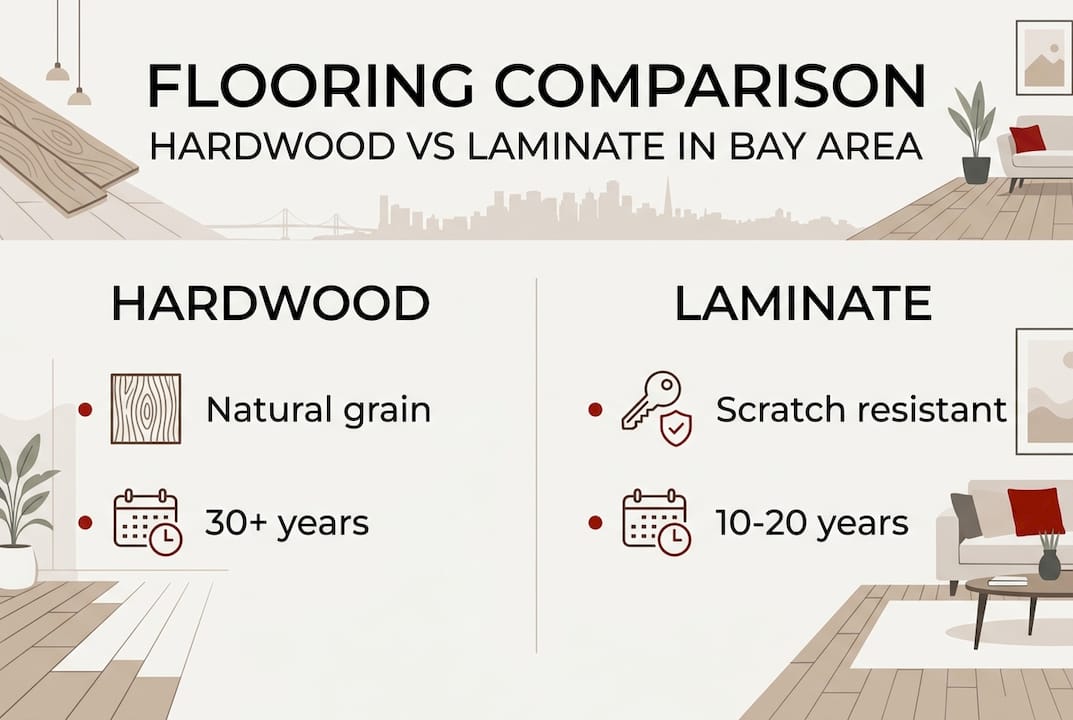
Bay Area buyers increasingly demand luxury hardwood flooring design trends like European oak and hand-scraped finishes. Understanding hardwood floor installation methods helps you choose the right approach for your subfloor and budget. For cost-conscious buyers, high-quality laminate flooring deals provide wood aesthetics without the premium investment.
Choosing the right flooring: practical tips for Bay Area homeowners
Balancing upfront cost, durability, maintenance, and aesthetic preference is key to selecting appropriate flooring for Bay Area homes. Start by assessing your budget realistically. If you can afford hardwood’s higher initial cost and commit to periodic refinishing, it offers superior long-term value. If upfront savings matter more, laminate delivers wood aesthetics at a fraction of the price.
Traffic and wear patterns in your home matter immensely. Households with large dogs, active kids, or frequent entertaining put floors through heavy use. Laminate’s scratch resistance and stain protection make it practical for high-traffic areas like kitchens and entryways. Hardwood shines in low-traffic spaces like bedrooms and dining rooms where its beauty takes center stage and wear is minimal.
Moisture exposure is critical in the Bay Area’s varied microclimates. Coastal homes face fog and humidity, while inland areas experience dry heat. Hardwood expands and contracts with humidity changes, requiring acclimation before installation. Laminate handles moisture slightly better on the surface but fails catastrophically if water seeps between planks. Consider engineered hardwood for moisture-prone areas, combining hardwood’s appearance with improved stability.
Pro Tip: Consult a local flooring expert familiar with Bay Area climate challenges. Coastal fog, seismic activity, and temperature swings affect flooring performance differently than in other regions. A professional can recommend species, finishes, and installation methods suited to your specific location.
Ask yourself these five practical questions before deciding:
- What’s my total budget including installation, underlayment, and future maintenance?
- How much daily wear will the floor endure from pets, kids, and foot traffic?
- Do I prioritize resale value and timeless appeal or immediate cost savings?
- Am I willing to refinish hardwood every 7-10 years or prefer low-maintenance flooring?
- Does my home’s moisture level favor hardwood’s natural properties or laminate’s water resistance?
For homeowners seeking ideal hardwood flooring solutions, species selection matters. Oak and maple offer durability and classic appeal, while exotic woods like Brazilian cherry provide unique character at higher prices. If budget constraints push you toward laminate, explore quality laminate flooring deals that balance cost and quality. For tight budgets, affordable hardwood flooring options like engineered planks or lower-grade solid wood provide authentic hardwood at reduced prices.
Explore Bay Area hardwood and laminate flooring options with Kapriz Hardwood Flooring
Choosing between hardwood and laminate doesn’t have to feel overwhelming. At Kapriz Hardwood Flooring, we specialize in helping Bay Area homeowners find flooring that fits their budget, lifestyle, and design vision. Whether you’re drawn to hardwood’s timeless elegance or laminate’s practical affordability, our team guides you through every decision.

We carry a wide selection of hardwood floors ranging from high-end luxury brands to budget-friendly options, all meeting our strict quality standards. Our experts help you explore wood flooring throughout your house with styles suited to every room’s unique demands. If you’re weighing costs, our budget hardwood vs laminate comparison clarifies which option delivers the best value for your situation. Visit our showroom or website to explore options, request samples, and schedule a consultation with flooring professionals who understand Bay Area homes.
Hardwood vs laminate flooring: frequently asked questions
What is the main cost difference between hardwood and laminate in the Bay Area?
Hardwood costs $8-15 per square foot installed, while laminate runs $3-8 per square foot, making laminate 40-60% cheaper overall. Bay Area labor rates add 15-25% to both options compared to national averages. For detailed breakdowns, see hardwood flooring costs details.
Can laminate flooring mimic hardwood’s natural look convincingly?
Modern laminate uses high-definition printing and embossing to replicate wood grain and texture, fooling most observers from a distance. However, close inspection reveals repeating patterns and lacks the unique color variations found in real hardwood. Premium laminate offers the most convincing appearance.
How long does hardwood flooring typically last compared to laminate?
Hardwood lasts 30+ years with refinishing every 7-10 years, while laminate lasts 10-20 years without refinishing options. Hardwood can be sanded and restored multiple times, effectively resetting its appearance. Laminate must be replaced entirely once its wear layer degrades.
Is laminate flooring easier to maintain for busy households?
Yes, laminate resists scratches and stains better than hardwood and requires only regular sweeping and occasional damp mopping. Hardwood needs careful cleaning with pH-neutral products and immediate spill cleanup to prevent water damage. Laminate’s durability makes it practical for high-traffic homes with pets and kids.
What installation options exist and which are better for homeowners?
Hardwood uses nail-down or glue-down methods requiring professional installation, while laminate employs floating click systems suitable for DIY installation. Floating laminate installs faster and costs less in labor, but nail-down hardwood provides superior stability and longevity. For more on laminate floors alternatives, consider your skill level and budget.


