


What is prefinished hardwood? A 2026 guide for homeowners
Choosing hardwood flooring can feel overwhelming, especially when deciding between prefinished and unfinished options. Many homeowners assume all hardwood floors require messy onsite sanding and finishing, but prefinished hardwood flooring arrives ready to install, eliminating dust, fumes, and extended wait times. This guide clarifies what prefinished hardwood is, how it compares to unfinished alternatives, and whether it fits your home’s needs. You’ll learn about factory finishing processes, installation timelines, maintenance requirements, and refinishing limitations to make an informed flooring decision.
Table of Contents
- What Is Prefinished Hardwood Flooring?
- Prefinished Vs Unfinished Hardwood Flooring: Pros And Cons
- Practical Tips For Installing And Maintaining Prefinished Hardwood Floors
- Is Prefinished Hardwood Right For Your Home?
- Discover Quality Prefinished Hardwood Flooring At Kapriz Hardwood Flooring Store
- How Long Does It Take To Install Prefinished Hardwood Floors?
Key takeaways
| Point | Details |
|---|---|
| Factory finished | Prefinished hardwood is sanded, stained, and sealed at the factory with multiple protective coats for immediate installation. |
| Faster installation | Installation takes 1 to 3 days compared to 7 to 10 days for unfinished hardwood that requires onsite finishing. |
| Higher initial durability | Factory applied finishes cured by UV light offer stronger protection but limit refinishing to 1 to 3 times maximum. |
| Comparable costs | Material costs range from $6 to $12 per square foot with lower labor expenses offsetting higher upfront pricing. |
| Best for occupied homes | Ideal for busy households needing quick, mess free installations with proper acclimation before laying planks. |
What is prefinished hardwood flooring?
Prefinished hardwood consists of solid or engineered wood planks sanded, stained, and sealed with multiple protective finish layers at the factory. Manufacturers apply 4 to 7 coats of aluminum oxide polyurethane, curing each layer with UV light to create an exceptionally tough, durable surface. This factory controlled process ensures consistent quality across every plank, eliminating the variability and mess associated with onsite finishing.
The finishing process begins with precision sanding to create a smooth surface. Stain is applied evenly, followed by multiple coats of protective finish. UV curing hardens each layer instantly, allowing manufacturers to build up a thick, resilient coating that resists scratches, moisture, and daily wear. This controlled environment produces a finish far more durable than what’s typically achievable with onsite application.
Most prefinished planks feature micro beveled edges, which are small grooves along the plank sides. These bevels serve two purposes: they hide minor installation imperfections and allow planks to expand and contract without buckling. However, these grooves can trap dirt and require careful cleaning. Factory processes eliminate onsite dust, fumes, and drying time, making prefinished hardwood particularly appealing for occupied homes.
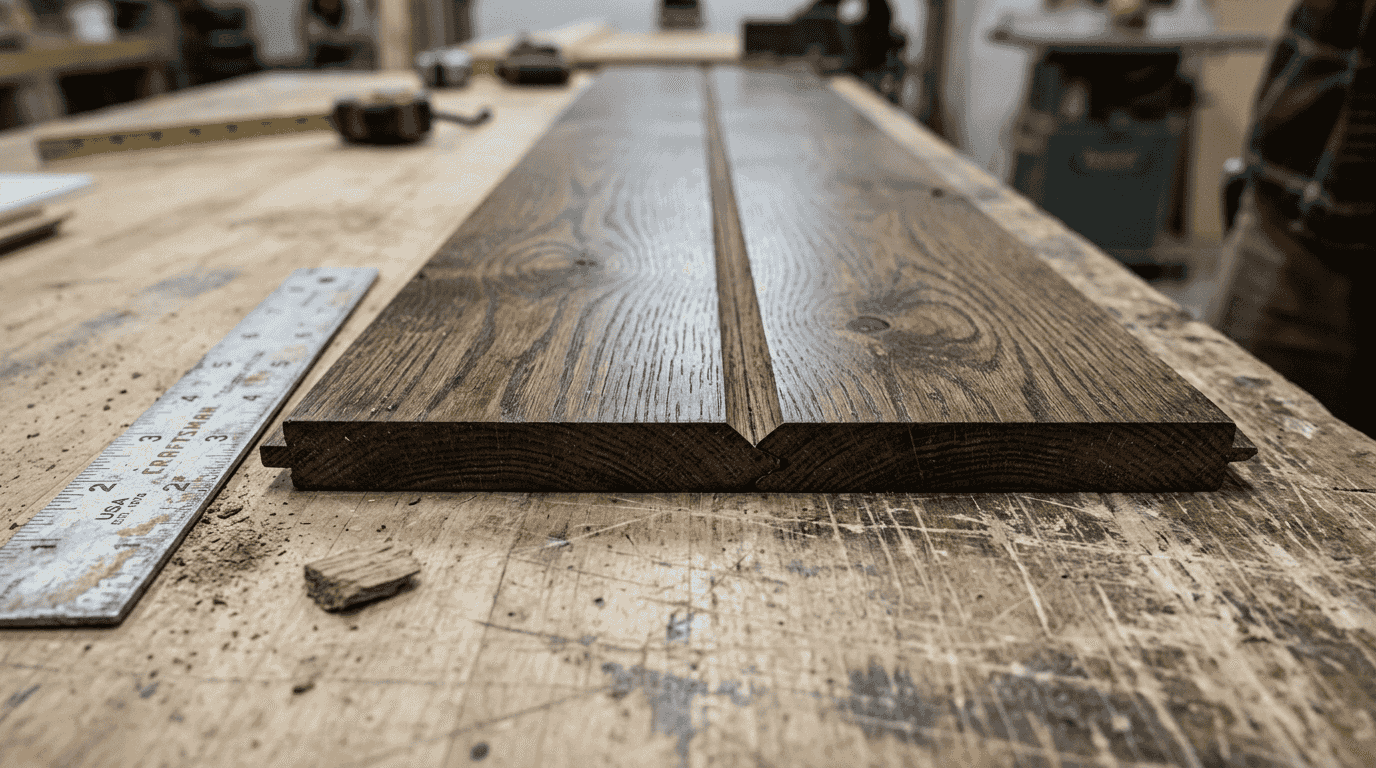
Materials arrive ready to install immediately after acclimation. You won’t need to wait days or weeks for finishing and curing. This convenience makes prefinished hardwood a practical choice for homeowners who want beautiful floors without extended disruption. For detailed guidance on working with prefinished flooring, consider professional installation tips that optimize results.
Key characteristics of prefinished hardwood include:
- Factory applied finish with 4 to 7 protective coats
- UV cured aluminum oxide polyurethane for maximum durability
- Micro beveled edges to ease installation and hide gaps
- Consistent color and finish across all planks
- Ready to install after acclimation with no onsite finishing required
Prefinished vs unfinished hardwood flooring: pros and cons
Understanding the practical differences between prefinished and unfinished hardwood helps you choose the right option for your home. Prefinished hardwood offers faster, less messy installation with stronger finish but fewer refinishes allowed, while unfinished hardwood provides more customization and refinishing potential at the cost of extended installation time.
Installation time differs dramatically. Prefinished floors take 1 to 3 days to install since planks are ready to lay after acclimation. Unfinished floors require 7 to 10 days because installers must sand, stain, and apply finish coats onsite, with drying time between each coat. For busy households, this time difference can be the deciding factor.
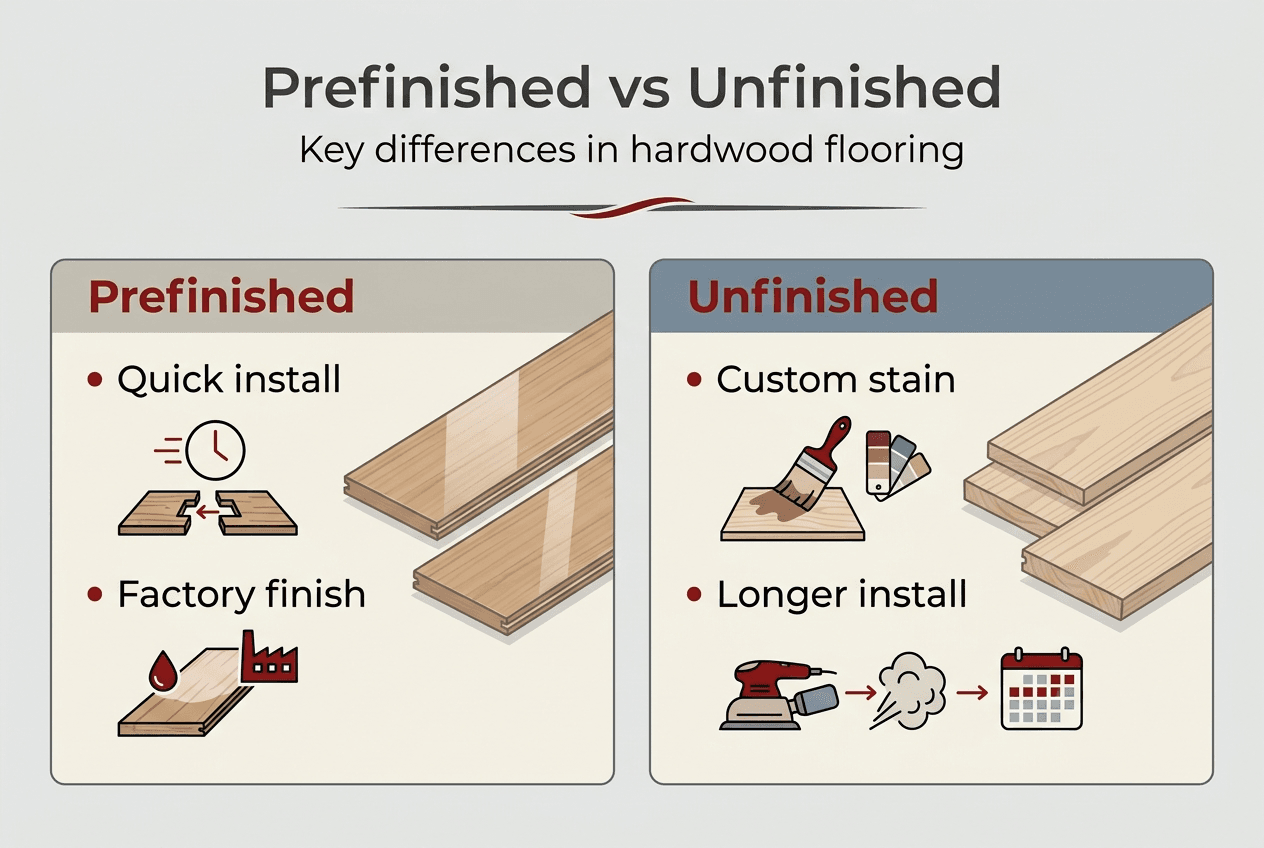
Initial finish durability strongly favors prefinished hardwood. Factory applied UV cured finishes create a harder, more scratch resistant surface than onsite finishes. However, this advantage comes with a trade off: prefinished floors can only be refinished 1 to 3 times due to the factory finish thickness and micro beveled edges. Unfinished floors allow 4 to 6 or more refinishes over their lifetime because they start with a thinner finish and seamless joints.
Material costs for prefinished hardwood range from $6 to $12 per square foot, similar to unfinished options. Total project costs become comparable when you factor in labor savings. Unfinished floors require extensive onsite labor for sanding and finishing, which increases overall expenses. Prefinished floors reduce labor costs but may have slightly higher material prices.
Unfinished floors allow complete finish customization. You can choose any stain color, sheen level, or finish type to match your vision perfectly. Prefinished floors limit you to manufacturer options, though modern selections offer extensive variety. For homes where color matching existing floors matters, unfinished provides more flexibility.
Micro beveled edges on prefinished planks ease installation by hiding minor imperfections and allowing expansion. These grooves can trap dirt and require diligent cleaning. Unfinished floors feature seamless joints after sanding, creating a smooth, continuous surface without grooves. This difference affects both appearance and maintenance over time.
Pro Tip: Choose unfinished hardwood if you plan multiple refinishes or need exact color customization onsite. Select prefinished for faster installation with minimal disruption and stronger initial durability.
For guidance on different hardwood floor installation methods, explore options that suit your subfloor and skill level. Understanding refinishing potential helps you plan long term maintenance using this hardwood floor refinishing guide.
| Feature | Prefinished Hardwood | Unfinished Hardwood |
|---|---|---|
| Installation time | 1 to 3 days | 7 to 10 days |
| Initial durability | Higher (UV cured factory finish) | Moderate (onsite finish) |
| Refinishing potential | 1 to 3 times | 4 to 6 plus times |
| Material cost | $6 to $12 per sq ft | $6 to $12 per sq ft |
| Customization | Limited to manufacturer options | Full stain and finish control |
| Onsite mess | Minimal (no sanding or finishing) | Significant (dust, fumes, drying) |
Practical tips for installing and maintaining prefinished hardwood floors
Successful prefinished hardwood installation and maintenance require attention to acclimation, preparation, and ongoing care. Following these actionable steps ensures your floors perform beautifully for years.
Acclimate prefinished hardwood 3 to 5 days before installation to stabilize moisture content. Place unopened boxes in the installation room, maintaining temperature between 60 and 80 degrees Fahrenheit with 30 to 50 percent relative humidity. This step prevents warping, cupping, and gaps after installation. Skipping acclimation causes planks to expand or contract post installation, creating unsightly gaps or buckling.
Prepare your job site carefully before installing. Ensure the subfloor is clean, dry, and level within manufacturer specifications. Remove all debris, dust, and moisture. Check subfloor moisture levels using a moisture meter to confirm they’re within acceptable ranges. Proper preparation prevents adhesion problems and ensures planks lay flat without squeaking or movement. For comprehensive preparation guidance, review hardwood floor installation prep techniques.
Maintenance for prefinished hardwood involves regular dry sweeping or vacuuming to remove dirt and grit that can scratch the finish. Avoid wet mopping, which introduces moisture that damages wood over time. Use wood floor friendly cleaners specifically designed for prefinished hardwood, applying them sparingly with a damp (not wet) microfiber cloth. Place mats at entryways to trap dirt and use furniture pads to prevent scratches.
Refinishing prefinished hardwood requires professional expertise. The process involves screening (light sanding) the existing finish and applying new coats, not full sanding like unfinished floors. This limitation means you can refinish only 1 to 3 times before reaching the wood core. Attempting DIY refinishing risks damaging the factory finish or creating uneven results. For insights into professional refinishing, explore DIY hardwood floor refinishing tips to understand when to call experts.
Engineered prefinished hardwood is recommended for areas with humidity fluctuations like basements or coastal homes. Engineered planks resist moisture better than solid wood, reducing warping and cupping risks. The layered construction provides stability while maintaining the beauty of real hardwood.
Pro Tip: Proper acclimation prevents warping and gaps post installation. Never skip this step, even if you’re eager to start laying planks.
Follow these numbered steps for optimal installation and care:
- Acclimate flooring in the installation room for 3 to 5 days at stable temperature and humidity.
- Verify subfloor is clean, dry, and level within manufacturer tolerances using appropriate tools.
- Install planks following manufacturer instructions, ensuring proper spacing for expansion.
- Sweep or vacuum daily to remove abrasive dirt and debris from the surface.
- Clean spills immediately with a dry or slightly damp cloth to prevent moisture damage.
- Schedule professional refinishing when the finish shows significant wear, typically after 10 to 15 years.
For detailed acclimation guidance, review hardwood floor acclimation tips that explain moisture equilibrium and climate considerations.
Is prefinished hardwood right for your home?
Determining whether prefinished hardwood fits your home involves evaluating lifestyle, budget, environmental conditions, and long term maintenance expectations. Prefinished hardwood suits occupied homes for quick installs and better initial durability, but engineered versions are needed for extreme humidity.
Prefinished hardwood is ideal for busy households needing fast, mess free installations with immediate use. If you can’t tolerate weeks of construction dust, fumes, and restricted room access, prefinished floors deliver livable spaces in days. Families with children, pets, or work from home schedules benefit from minimal disruption.
Pet owners and families with active kids benefit from durable factory finishes that resist scratches initially. The UV cured aluminum oxide coating withstands daily wear better than many onsite finishes. However, remember that all hardwood shows wear over time, and prefinished floors have limited refinishing potential. If you anticipate heavy use and want multiple refinishes, unfinished may serve you better long term.
Avoid solid prefinished hardwood in extreme humidity environments like basements, bathrooms, or coastal areas with high moisture. Choose engineered prefinished instead, which resists moisture induced warping and cupping. Engineered planks provide the beauty of real hardwood with enhanced dimensional stability.
Consider your long term use plans. Limited refinishes (1 to 3 times) versus ease of maintenance affects your decision. If you plan to stay in your home for decades and want maximum refinishing flexibility, unfinished hardwood offers more longevity. If you prioritize low maintenance and plan to replace floors before extensive refinishing becomes necessary, prefinished works well.
Budget considerations include higher upfront material costs offset by lower labor expenses and faster project completion. Calculate total project costs including materials, labor, and timeline disruption. Prefinished often costs less overall despite higher material prices because you save on finishing labor and avoid accommodation expenses during extended construction.
Ask yourself these questions to guide your decision:
- Do I need floors installed quickly with minimal disruption to my household?
- Will my home experience high traffic, pets, or moisture exposure requiring extra durability?
- Do I plan to refinish my floors multiple times over the next 30 years?
- Does my installation area have stable humidity, or do I need moisture resistant engineered planks?
- Can I work within manufacturer color and finish options, or do I need custom onsite staining?
Evaluating your lifestyle and environment helps you decide if prefinished hardwood aligns with your priorities. For homes needing exceptional durability, explore durable hardwood flooring options that balance beauty with performance.
Discover quality prefinished hardwood flooring at Kapriz Hardwood Flooring Store
Now that you understand prefinished hardwood’s benefits, installation requirements, and maintenance needs, it’s time to explore options that match your home’s style and durability requirements. Kapriz Hardwood Flooring offers an extensive range of prefinished hardwood flooring tailored for lasting beauty and performance.

Our selection includes solid and engineered prefinished planks in diverse species, colors, and finishes. Whether you need scratch resistant floors for busy family areas or moisture stable engineered options for challenging environments, we provide quality products at competitive prices. Every product we carry meets our strict standards because we only sell flooring we’d install in our own homes.
Expert support and resources help ensure your flooring project runs smoothly from selection through installation. Browse hardwood floors to compare styles, grades, and specifications. Explore durable hardwood flooring options designed for high traffic areas. Consider wood flooring throughout your house for cohesive design.
Visit Kapriz Hardwood Flooring Store online to discover prefinished hardwood that transforms your space with minimal disruption and maximum durability.
How long does it take to install prefinished hardwood floors?
Installation usually takes 1 to 3 days compared to 7 to 10 days for unfinished hardwood. The exact timeline depends on room size, subfloor condition, and installation method. Preparation and acclimation are important steps that add 3 to 5 days before actual installation begins. For comprehensive preparation guidance, review hardwood floor installation prep to optimize your timeline.
Can prefinished hardwood floors be refinished?
Prefinished floors can be refinished but only 1 to 3 times due to factory applied finish thickness and micro beveled edges. Professional refinishing with screening techniques is recommended to avoid damaging the durable UV cured coating. This limited refinishing potential is the main trade off for prefinished hardwood’s superior initial durability. For detailed refinishing guidance, explore this hardwood floor refinishing guide to understand the process.
Is prefinished hardwood suitable for homes with pets and kids?
Prefinished hardwood’s durable factory finish offers good resistance to scratches, making it a practical choice for busy family homes. The UV cured aluminum oxide coating withstands daily wear from pets and children better than many onsite finishes. Regular maintenance helps preserve appearance, and the finish typically lasts 10 to 15 years before refinishing becomes necessary. For homes needing maximum durability, review durable hardwood flooring options designed for high traffic.
What maintenance is required for prefinished hardwood floors?
Regular dry sweeping or vacuuming is best to remove abrasive dirt. Avoid wet mopping to prevent moisture damage that can warp or cup planks. Use wood floor friendly cleaners applied sparingly with a damp microfiber cloth. Place mats at entryways, use furniture pads, and clean spills immediately. For ongoing care guidance, explore hardwood floor maintenance tips that extend your floor’s lifespan.


