

Wood floor underlayment: comfort, protection & tips
TL;DR:
- Underlayment supports moisture prevention, soundproofing, cushioning, and leveling for hardwood floors.
- Proper selection based on subfloor type and environmental factors extends floor durability and lifespan.
- Overlooking underlayment leads to squeaks, warping, and costly repairs, emphasizing its importance in installation.
Most homeowners spend hours choosing the perfect hardwood floor, then give almost zero thought to what goes underneath it. That’s a costly oversight. Wood floor underlayment, the thin layer installed between your subfloor and your finished hardwood, directly affects how your floor feels underfoot, how quiet your home sounds, and how long your investment lasts. Skip it or choose the wrong type, and you could end up with squeaky, warped, or uncomfortable floors within just a few years. This guide walks you through everything you need to know to make a smart, confident choice before your next flooring project.
Table of Contents
- What is wood floor underlayment and why does it matter?
- Key types of wood floor underlayment: Materials and features
- How wood floor underlayment shapes comfort, acoustics, and durability
- Choosing the right underlayment for your wood flooring project
- A smarter approach: Why overlooking underlayment is the biggest DIY flooring mistake
- Ready to choose the right underlayment? Explore expert wood flooring solutions
- Frequently asked questions
Key Takeaways
| Point | Details |
|---|---|
| Underlayment is essential | Installing the right underlayment is critical for comfort, sound, and moisture protection in hardwood floors. |
| Material choice matters | Cork, foam, rubber, and felt each offer unique benefits for specific installation needs. |
| Match to your project | Consider your subfloor, flooring type, and living environment when selecting underlayment. |
| Avoid the shortcuts | Skimping on underlayment can result in noise, discomfort, and costly repairs. |
What is wood floor underlayment and why does it matter?
Underlayment is a thin material layer installed directly on top of your subfloor before your hardwood goes down. It’s not glamorous, and you’ll never see it once the job is done. But it quietly handles some of the hardest work in your entire floor system.
Here’s what underlayment actually does for your floor:
- Moisture barrier: Blocks moisture vapor from rising through the subfloor and warping your wood
- Sound reduction: Absorbs impact noise so footsteps don’t echo through the house
- Cushioning: Adds a slight give underfoot that reduces foot fatigue over time
- Leveling: Fills in minor subfloor imperfections that would otherwise cause squeaks or movement
- Thermal insulation: Provides a small but meaningful buffer against cold subfloors
One big misconception is that only floating floors need underlayment. In reality, even nail-down and glue-down installations benefit from the right underlayment, especially in homes with concrete subfloors or moisture concerns. Another myth is that thicker always means better. Too much thickness under a nail-down floor can actually create instability.
“Proper underlayment extends the life and performance of wood floors.”
Pro Tip: Whether you’re doing a brand-new install or renovating an older floor, always evaluate your underlayment needs from scratch. Old underlayment should almost always be replaced during a renovation, not reused.
The importance of underlayment goes beyond comfort. It’s a protective layer that shields your flooring investment from the subfloor conditions you can’t always control. Getting this layer right sets the foundation for everything above it.
Key types of wood floor underlayment: Materials and features
Now that it’s clear why underlayment matters, let’s break down the common types available and how each impacts your flooring.
Different materials offer specialized benefits in sound insulation, moisture protection, and cushioning. Knowing the differences helps you avoid paying for features you don’t need or missing ones you do.
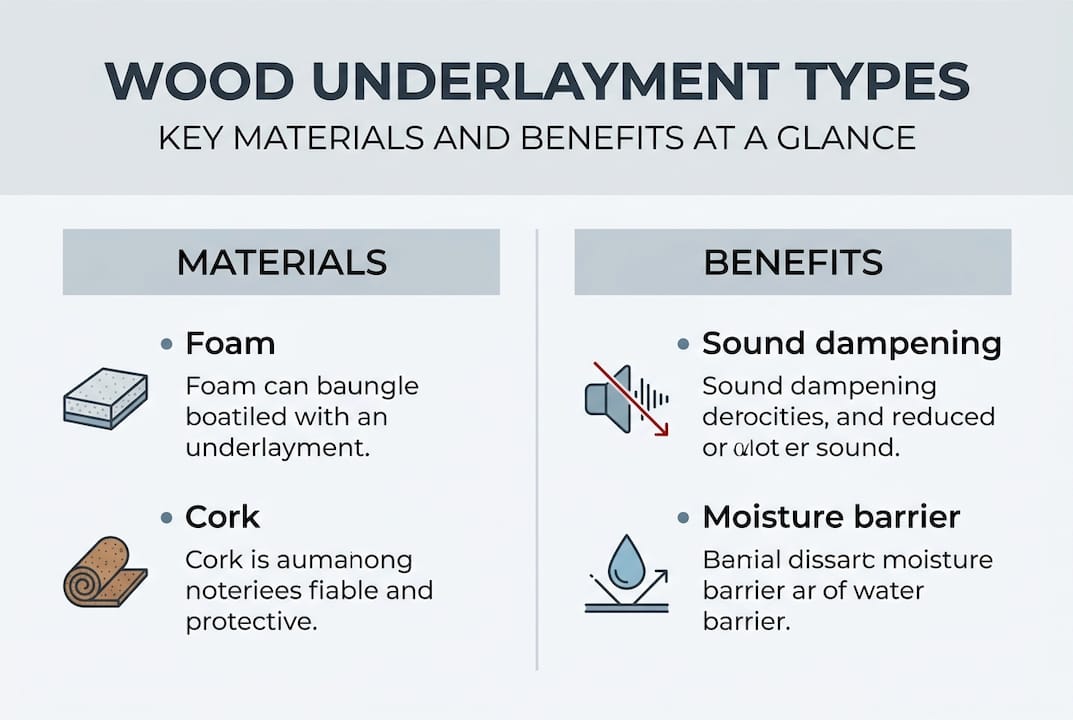
| Material | Moisture resistance | Sound absorption | Thickness | Cost | Best use |
|---|---|---|---|---|---|
| Foam | Low to medium | Moderate | 2 to 3mm | Low | Budget installs, dry areas |
| Cork | Medium | High | 3 to 6mm | Medium | Multi-story homes, comfort |
| Rubber | High | High | 3 to 6mm | High | Basements, over concrete |
| Felt | Medium | Medium to high | 3 to 5mm | Medium | Solid hardwood, nail-down |
| Combination | High | High | 3 to 6mm | Medium to high | All-around performance |
Here’s a quick breakdown of each type:
- Foam: The most affordable option. Works well in dry, above-grade rooms. Not ideal where moisture is a concern.
- Cork: Naturally resistant to mold and mildew. Excellent for sound absorption. Cork and rubber lead in soundproofing performance, making them top picks for upstairs bedrooms or open-plan living spaces.
- Rubber: Dense and durable. Handles moisture well and provides superior noise reduction. Best for basements or slab installations.
- Felt: A favorite for solid hardwood nail-down floors. Provides good cushioning and sound absorption without adding too much height.
- Combination: Typically foam or felt with an attached vapor barrier. Convenient for areas where moisture protection is needed without buying a separate barrier.
Your underlayment material options should always be matched to your specific subfloor conditions. Your subflooring choices also play a major role in which underlayment will perform best long term.
How wood floor underlayment shapes comfort, acoustics, and durability
After exploring material options, it’s important to see how your underlayment choice directly impacts daily living and long-term floor performance.
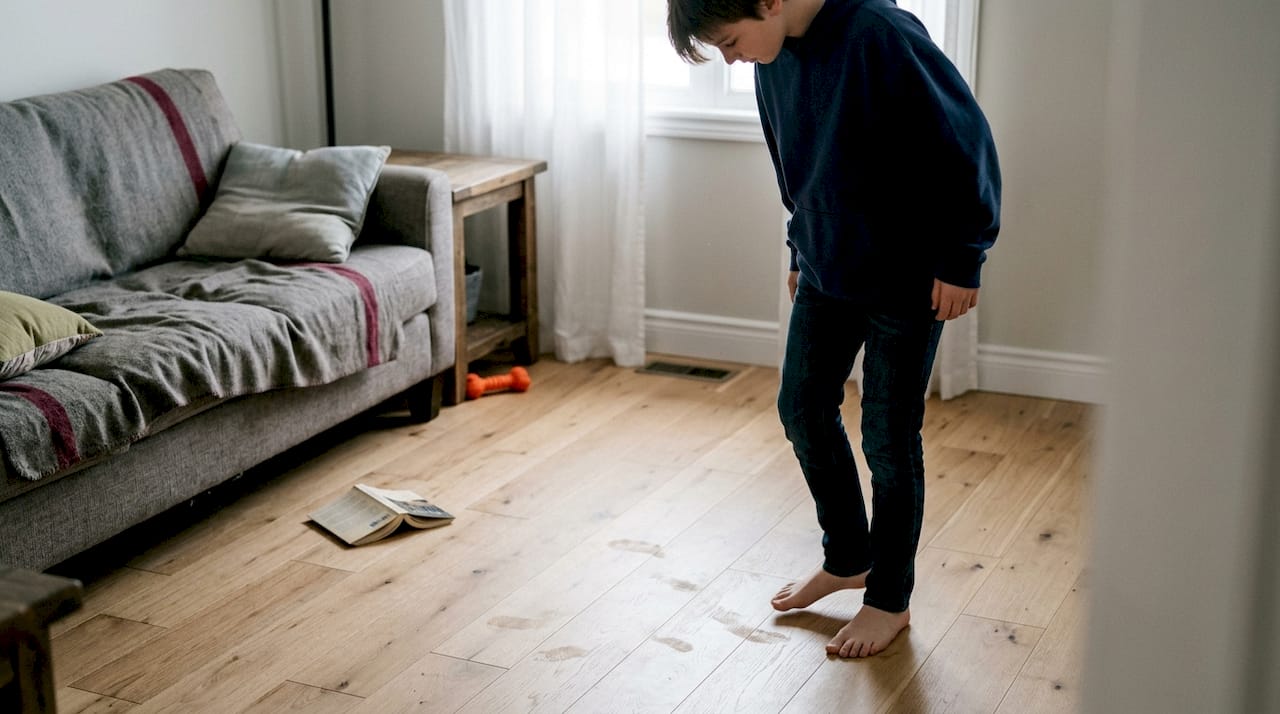
Let’s start with comfort. A hard subfloor with no cushioning layer transfers every step directly back to your feet. Over time, this leads to noticeable fatigue, especially in kitchens or any room where you stand for long periods. A quality underlayment adds just enough give to make a real difference without compromising the stability of your floor.
Acoustics are another area where underlayment earns its keep. Underlayment plays a significant role in soundproofing multi-story homes. Without it, every footstep on an upper floor can be heard clearly below. Cork and rubber underlayments in particular absorb impact sound before it travels through the floor structure.
Here’s what the right underlayment protects you from over time:
- Squeaks: Minor subfloor irregularities cause boards to rub and squeak. Underlayment fills those gaps.
- Warping: Moisture from below causes wood to expand and buckle. A proper vapor barrier stops this.
- Cold floors: Underlayment adds insulation, especially over concrete or crawl spaces.
- Premature wear: Boards that flex against a hard subfloor wear faster at the joints.
For homes with basements or concrete subfloors, moisture protection with underlayment is not optional. Concrete holds and releases moisture year-round, and without a proper barrier, that moisture migrates into your hardwood.
“Choosing the wrong underlayment for your environment is one of the fastest ways to void a flooring warranty.”
Pro Tip: Don’t overlook underlayment in upstairs rooms or homes with pets. Pet accidents and heavy foot traffic create both moisture and impact stress. A denser underlayment in these areas pays for itself quickly.
Choosing the right underlayment for your wood flooring project
Armed with knowledge of what underlayment does, let’s walk through how to select the best option for your unique project.
Matching underlayment to subfloor and floor type is key for successful installation. Here’s a step-by-step process to guide your decision:
- Identify your subfloor type. Is it plywood, OSB, or concrete? Concrete requires a vapor barrier. Wood subfloors are more forgiving but still benefit from moisture protection in humid climates.
- Assess your moisture risk. Is the room below grade, at grade, or above? Below-grade spaces like basements carry the highest moisture risk.
- Consider your sound needs. Do you have rooms below the installation area? If so, prioritize cork or rubber for better acoustic performance.
- Check your installation method. Floating floors need underlayment with built-in vapor barriers. Nail-down floors work best with felt or thin foam. Glue-down floors typically require no underlayment at all.
- Set your budget. Foam is cheapest. Rubber and combination products cost more but deliver more features.
| Scenario | Recommended underlayment | Key reason |
|---|---|---|
| Over concrete slab | Rubber or combination with vapor barrier | Moisture protection |
| Radiant heat system | Thin foam or manufacturer-approved product | Heat transfer efficiency |
| Above crawl space | Combination with vapor barrier | Moisture and insulation |
| Multi-story home | Cork or rubber | Sound absorption |
| Basement installation | Rubber with moisture barrier | Maximum moisture defense |
Common mistakes to avoid include using foam underlayment over concrete without a separate vapor barrier, ignoring manufacturer specifications, and using leftover underlayment from a previous project without checking compatibility.
Always review the wood floor installation tips specific to your product before buying underlayment. And if you’re preparing concrete subfloors, test for moisture levels first using an inexpensive moisture meter before choosing your underlayment type.
A smarter approach: Why overlooking underlayment is the biggest DIY flooring mistake
After years of seeing flooring projects go wrong, the pattern is almost always the same. A homeowner invests in beautiful hardwood, rushes the underlayment decision, and ends up with a floor that squeaks, feels hollow, or develops moisture damage within a couple of years.
We’ve seen it play out like this: someone installs a floating floor over concrete using basic foam underlayment without a vapor barrier. Within one winter, the boards start cupping. The fix requires pulling up the entire floor, replacing the underlayment, and often replacing damaged boards too. The cost of doing it right the first time? A fraction of the repair bill.
Professional installers treat underlayment as non-negotiable. It’s not an upsell. It’s the difference between a floor that lasts 30 years and one that needs attention in five. The DIY installation pitfalls that lead to the most callbacks almost always trace back to underlayment shortcuts.
Our honest advice: always read the manufacturer’s recommendations on underlayment before purchasing. Some hardwood products are specifically engineered to work with certain underlayment types, and using the wrong one can void your warranty entirely. Treat underlayment as seriously as you treat the floor itself.
Ready to choose the right underlayment? Explore expert wood flooring solutions
Finding the right underlayment doesn’t have to feel overwhelming. At Kapriz Hardwood Floors, we’ve helped thousands of homeowners navigate exactly this decision, and we carry the products and knowledge to back it up.
Browse our full range of hardwood floors to find options that come with clear underlayment guidance built right into the product specs. If you’re planning wood flooring throughout your house, we can help you choose a consistent underlayment strategy that works across different rooms and subfloor types. Not sure where to start? Check out our guide on subflooring options to get the full picture before you buy.
Frequently asked questions
Is underlayment required for all types of hardwood flooring?
Underlayment is essential for floating floors and highly recommended for most installations, particularly in areas with moisture exposure or multi-story homes where sound transfer is a concern.
What type of underlayment is best for concrete subfloors?
Moisture protection is critical over concrete, so a rubber or combination underlayment with an integrated vapor barrier is the best choice to prevent damage to your hardwood.
Can underlayment help reduce noise in multi-story homes?
Yes. Underlayment reduces floor noise significantly when you choose cork or rubber materials, which absorb impact sound before it travels through the floor structure to rooms below.
How thick should wood floor underlayment be?
Optimal thickness varies by floor system and subfloor condition, but most wood flooring underlayments range from 2 to 6mm. Floating floors typically use thicker options, while nail-down floors need thinner underlayment for stability.


